
Last updated August 25, 2026
Free in-home measure and quote - PGT, CGI and CWS impact lines compared on your actual openings, style by style
Sliding glass doors
Impact garage doorsPGTCGI
 Before
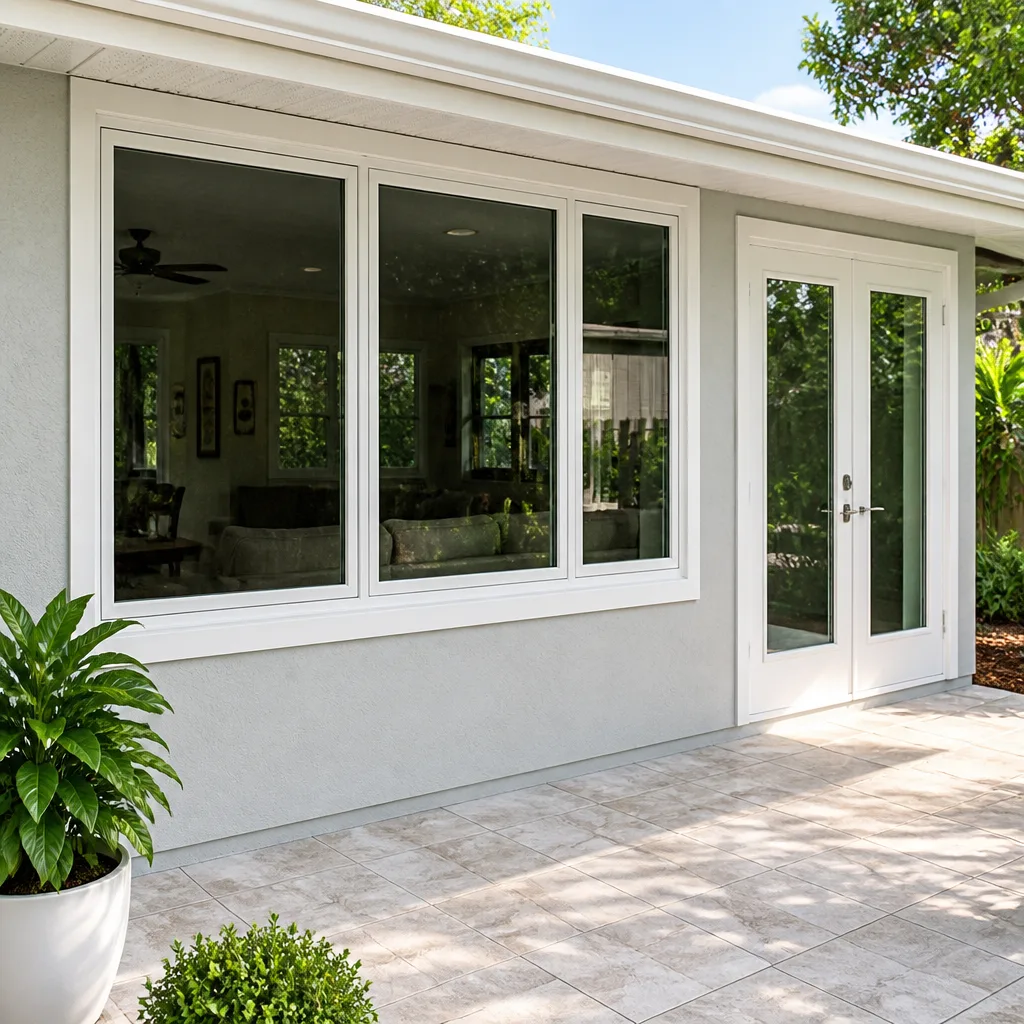 After
After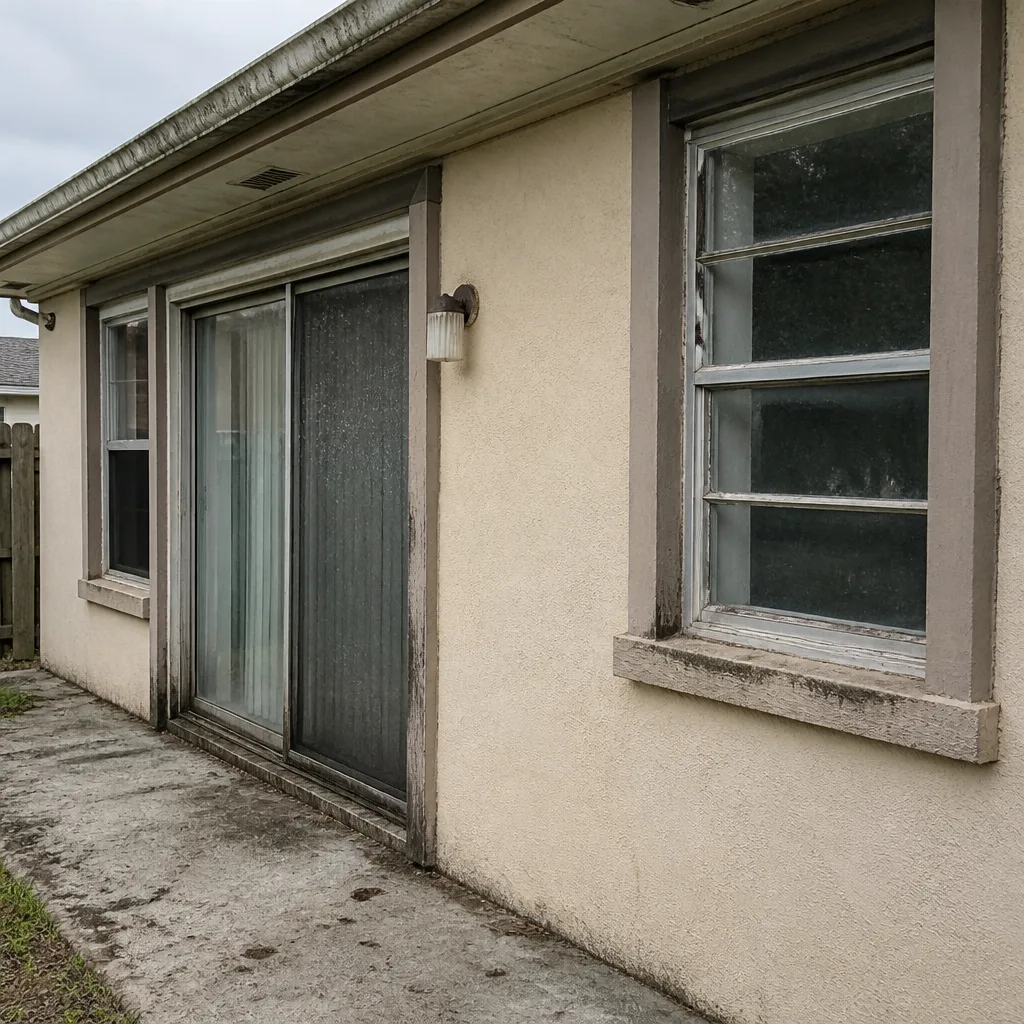 Before
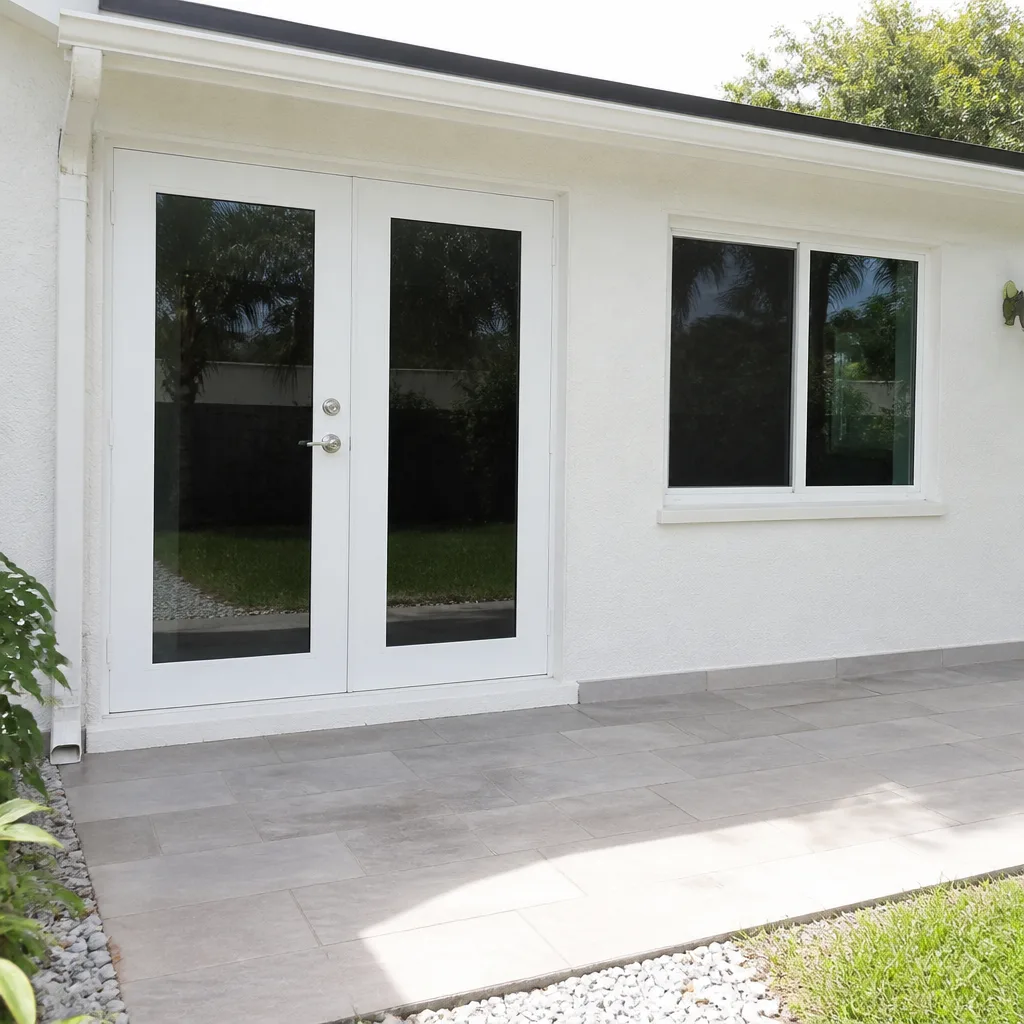 After
After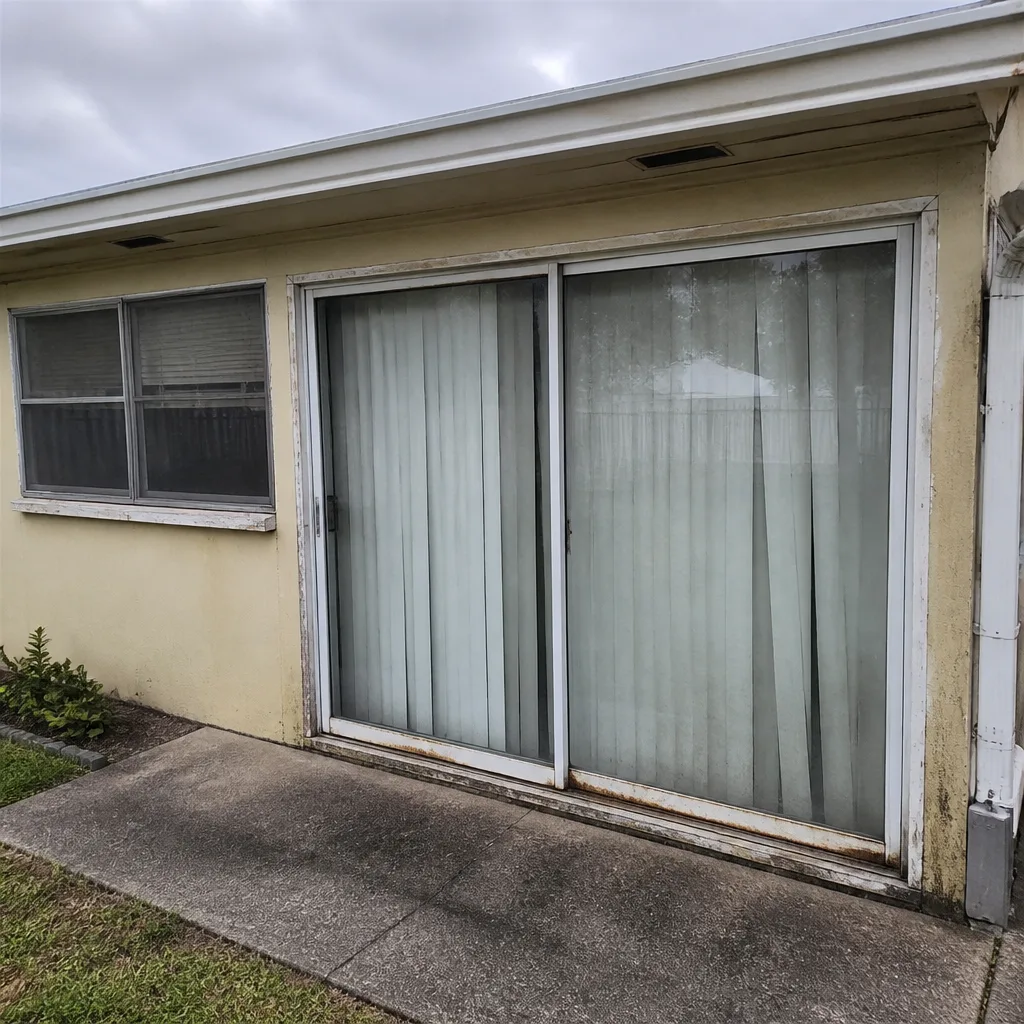 Before
 After
AfterThe Complete Guide to Windows & Doors in Greenacres
Most homeowners in Greenacres don’t replace windows because they want to. They replace them because a seal failed, a frame rotted, or the electric bill climbed past the point of ignoring. What surprises people is how much money a properly chosen and installed window or door set actually saves over its service life, and how much a rushed installation can cost later. South Florida humidity, hurricane season, and salt air don’t forgive shortcuts. This guide walks through what Greenacres homeowners need to know before spending a dollar: materials, ratings, building code, pricing, installation realities, and the questions that separate a lasting job from a repeat visit. You’ll find direct answers, not sales language.
Quick Answer
Windows and doors in Greenacres FL should be chosen for hurricane resistance, humidity tolerance, and energy performance first, then installed by a licensed contractor who understands Palm Beach County code and registers the manufacturer warranty in writing. A mid-range impact window replacement in Greenacres typically runs $700 to $1,200 per opening installed, while entry door replacement runs $1,500 to $3,500. The best time to replace is before the seals fail and before hurricane season, not after.
Table of Contents
- Window & Door Materials That Actually Hold Up in Greenacres
- Energy Ratings and What They Mean on a Florida Electric Bill
- Impact Windows, Hurricane Code, and What Palm Beach County Requires
- What Replacement Windows and Doors Cost in Greenacres
- Installation Standards: Why the Install Matters More Than the Brand
- Warranties, Registration, and the Fine Print That Voids Coverage
- Signs Your Windows or Doors Are Failing
- Common Mistakes to Avoid
- When to Call a Professional
- Frequently Asked Questions
Window & Door Materials That Actually Hold Up in Greenacres
Greenacres sits about five miles inland from the Atlantic. That means high heat, strong sun, and humidity levels that hover between 70 and 90 percent for most of the year. Materials that work fine in a dry climate fail faster here. We’ve seen wood window frames in Greenacres rot out within seven years when they’re not maintained aggressively. That’s not a defect in the wood. It’s the climate winning.
Aluminum windows were the standard in Florida for decades. They resist moisture and termites, and they hold up in salt air. The weakness is thermal performance. Aluminum conducts heat, which means a dark bronze frame sitting in the August sun gets hot enough to raise the temperature of the room around it. That’s why most new aluminum windows in Greenacres are thermally broken, meaning a non-conductive material separates the interior and exterior parts of the frame. If a quote lists plain aluminum with no thermal break, ask why.
Vinyl is the most common replacement material today. It insulates well, costs less than thermally broken aluminum, and the newer formulations don’t warp or yellow the way early vinyl did. Multi-chamber vinyl frames with welded corners handle Greenacres heat well, though very dark exteriors can still absorb enough sun to cause expansion. For a south-facing or west-facing wall, a lighter frame color is the practical choice.
Fiberglass and composite frames sit at the top of the price range. They expand and contract at roughly the same rate as glass, which means fewer seal failures over the life of the window. For a homeowner planning to stay in the house another twenty years, that durability pencils out. Pella’s Impervia line and Marvin’s composite products are both solid, but the brand matters less than the frame material match to the exposure.
For doors, fiberglass skins over an insulated core have replaced most wood entry doors in the Greenacres market. They don’t swell in summer humidity or bind the way a wood door will. A steel door with an insulated core and a good thermal break is a workable budget option, but it needs its paint maintained or the coastal air will get to it eventually. TruePane Windows & Doors has installed replacement windows and doors across Greenacres for years, and the frame material recommendation always starts with the specific exposure and window size, not a brand name.
Energy Ratings and What They Mean on a Florida Electric Bill
Every window and door sold in the United States carries ratings from the National Fenestration Rating Council. The two numbers that matter most in Greenacres are U-Factor and Solar Heat Gain Coefficient, or SHGC. U-Factor measures how well the product keeps heat from moving through it. The lower the number, the better the insulation. SHGC measures how much solar heat comes through the glass. In South Florida, you want a low SHGC to block the sun’s heat, not capture it.
For Greenacres, the Department of Energy recommends a U-Factor of 0.35 or lower and an SHGC of 0.25 or lower for windows in the southern climate zone. Most newer impact windows with low-e glass land in that range. The difference on an electric bill is real. Replacing single-pane aluminum windows with insulated low-e impact units can cut the cooling portion of the bill by 15 to 30 percent depending on the house, the window count, and the direction the glass faces. That’s not a manufacturer’s promise. It’s what Florida Power & Light’s own energy audit program has shown in similar homes.
Low-e coatings matter more than gas fills in this climate. The coating reflects infrared heat before it enters the house. Argon or krypton gas between the panes improves U-Factor, but the effect diminishes in extreme heat compared to colder climates. A low-e coating paired with a thermally broken or vinyl frame does most of the work.
One note from the field: if an existing window has a failed seal, the insulating gas has already leaked out and moisture has begun to fog the glass. The window is no longer performing at its rated efficiency. Replacing it returns the energy performance. Cleaning it does not.
Impact Windows, Hurricane Code, and What Palm Beach County Requires
Greenacres is not in the coastal high-velocity wind zone, but it is well within the wind-borne debris region defined by the Florida Building Code. That means every new window and door installed in the city must be either impact-rated or protected by an approved storm shutter system. For replacement windows, impact-rated glass is the more common choice because it does double duty: it satisfies the code and it provides permanent protection without the homeowner needing to drag out shutters before a storm.
An impact window is a laminate assembly. Two panes of glass are bonded to a clear interlayer, usually polyvinyl butyral or a similar material. When a storm-driven object hits the glass, the glass cracks but stays attached to the interlayer, keeping the building envelope sealed. That matters because most structural failures in hurricanes start when wind enters the house through a broken window and pressurizes the interior. The window doesn’t just protect itself. It protects the roof.
In Palm Beach County, impact products must meet the standards in ASTM E1886 and ASTM E1996, and the installed assembly must pass the large missile impact test. That means a 9-pound 2×4 fired at the glass and frame. A legitimate impact window carries a Florida Product Approval number, and the installer should be able to produce it. Every manufacturer line TruePane installs, including PGT and CGI, carries Florida Product Approval documentation we provide with the quote and again with the final paperwork.
Impact windows also reduce outside noise noticeably and block nearly all UV light that fades furniture and flooring. In our experience in Greenacres, noise reduction is the benefit homeowners mention most in the first month after installation, often before they think about storm protection at all.
What Replacement Windows and Doors Cost in Greenacres
The honest answer is that cost varies with size, frame material, glass package, and the condition of the existing opening. The dishonest answer is the precise-sounding number you see on some websites with no qualification. Here is what Greenacres homeowners should expect as of 2025:
| Item | Typical Installed Price Range |
|---|---|
| Standard vinyl single-hung replacement window, impact-rated | $700 - $1,100 per opening |
| Standard vinyl casement or horizontal slider, impact-rated | $800 - $1,400 per opening |
| Large picture window or architectural shape, impact-rated | $1,500 - $3,500 per opening |
| Fiberglass entry door, single, with impact lite | $2,500 - $4,500 installed |
| Sliding glass patio door, impact-rated, 2-panel | $2,800 - $5,000 installed |
| French door or multi-slide patio door, impact-rated | $4,000 - $9,000+ installed |
These ranges reflect the Greenacres market specifically, where most homes are single-story concrete block construction and the standard window opening is a relatively straightforward retrofit. Prices are higher for second-story work, custom sizing, or openings with rotted framing that requires repair before the new unit goes in. A quoted price should be a line-item price: window cost, installation labor, permit fee, and haul-away are separate lines. If a contractor gives one bundled number with no breakdown, ask for it in writing.
Every TruePane quote includes manufacturer options side by side on paper, so you can see exactly what a Milgard window costs next to a Marvin window with the same glass package. No verbal estimates. No price that changes after the truck arrives.
Installation Standards: Why the Install Matters More Than the Brand
A window is only as good as the day it was set. We’ve repaired and replaced windows in Greenacres that were premium-brand units installed badly: openings not flashed, gaps foamed with the wrong product, and fasteners driven through the frame in ways that voided the warranty before the homeowner ever saw the paperwork. The brand name on the glass doesn’t fix a bad installation. It often hides it for a few years.
The installation process for a retrofit replacement window in a Greenacres home should follow a sequence like this:
- Measure the opening twice. Not just the width and height at one point. At three points each direction, because concrete block openings are rarely square after forty years of settling.
- Remove the old sash and frame carefully. The goal is a clean opening without damage to the stucco or drywall returns.
- Inspect the rough opening for rot, termite damage, or failed sealant. If the framing is compromised, the new window can’t fix it. That repair happens before installation or the job should stop.
- Set the new unit level and shimmed, not just plumb. A window out of level binds when it opens and wears the hardware early.
- Flash and seal the perimeter with the correct materials. In Florida that means a combination of butyl flashing tape and high-quality polyurethane sealant, not a hardware store acrylic caulk.
- Insulate the shim spaces and around the frame. Low-expansion foam only. Standard foam expands with enough pressure to bow the frame.
- Reinstall interior and exterior trim, then test operation. Multiple open and close cycles, the lock, the balance, and the seal line. If something drags, it gets corrected before we leave.
Door installation follows the same discipline with additional attention to threshold height and the reveal around the slab. A door that binds in July may fit perfectly in January, and a door hung with no attention to seasonal movement will announce itself within a year. In our experience, the single biggest source of callback work in Greenacres is door slabs hung too tight against the frame with no room to move.
Warranties, Registration, and the Fine Print That Voids Coverage
Most window manufacturers split their warranty into two layers. The first is the glass warranty, which covers seal failure and glass defects, often for 20 years to lifetime on premium lines like Marvin and Pella. The second is the frame and hardware warranty, which covers the non-glass components, often for 10 years to lifetime. The catch that most homeowners never learn: the warranty is only valid if the product was registered, the installation was done by a qualified contractor, and the original purchase documents are kept.
Manufacturer warranty registration deadlines are unforgiving. Miss the window, usually 30 to 90 days after installation, and the warranty downgrades to a shorter default term or voids entirely. We register both warranty layers in writing before the truck leaves the driveway. That is the Keystone Standard, and it is how we’ve done every job since the company started. No homeowner should have to remember a registration deadline or keep track of model numbers.
The workmanship side is separate. A manufacturer warranty covers the product. It does not cover an installer who set the unit wrong, left the flashing out, or failed to seal the perimeter. That coverage has to come from the contractor, and it has to be in writing. We cover workmanship for 90 days with the Done Right Promise: if it’s not done right, we make it right. No paperwork fights, no arguing. After that, the manufacturer’s registered warranty takes over, and because we registered it, there’s documentation to support the claim.
Signs Your Windows or Doors Are Failing
Most Greenacres homeowners live with failing windows for years before they act. The signs are easy to spot once you know what you’re looking at:
- Condensation between the panes means the seal has failed and the insulating gas has escaped. The window is no longer energy-efficient and the fog will never clear on its own.
- Drafts you can feel around a closed window or door mean the weatherstripping is shot or the frame has moved out of true. Caulking the outside can buy a season, but it is not a repair.
- Windows that stick, bind, or fall shut have worn balances or painted-shut tracks. A window that slams shut on its own is a safety hazard, especially for grandchildren in the house.
- Doors that scrape the floor or latch poorly in summer are telling you the slab or the framing is moving. Forcing the door to latch wears out the hardware and eventually the frame.
- Visible rot, soft spots, or termite frass around a frame means the structural integrity is already compromised. This is a repair job, not a maintenance job.
- Electric bills climbing with no other explanation often trace back to south and west facing windows with failed low-e coatings or lost gas fills.
- UV fading on flooring and furniture where the window faces the afternoon sun means the low-e coating is not doing its job, or the glass was never low-e to begin with.
Common Mistakes to Avoid
- Buying on price alone. The cheapest Greenacres window bid is usually cheap because something is missing: no permit, no Florida Product Approval, no registration, or a frame material that won’t hold up. The savings disappear on the first repair.
- Replacing glass without addressing the frame. A new insulated glass unit in a rotted or out-of-true frame is money spent on a problem that will return. The frame and the glass work together or they don’t work.
- Skipping the permit. Palm Beach County requires permits for window and door replacement, and for good reason. The inspection confirms the installation meets wind load requirements. Unpermitted work also becomes a problem when you sell the house.
- Ignoring the SHGC on a south-facing window. A low U-Factor alone won’t stop the afternoon sun. A window with the wrong solar heat gain rating on the hot side of the house will keep the room warm no matter how well it’s insulated.
- Choosing a door for looks over swing and seal. A beautiful door that binds in July or lets wind-driven rain under the threshold is a beautiful problem. The seal and the swing matter more over the life of the door.
- Assuming a manufacturer warranty covers installation. It doesn’t. The warranty covers the product. The installer covers the installation. If the installer won’t put their workmanship guarantee in writing, the risk is yours.
When to Call a Professional
Window and door replacement is not a handyman task, and in Greenacres it’s not a legal one without proper licensing and permits. If the window carries a Florida Product Approval rating, it has to be installed according to the manufacturer’s specifications and the code, inspected, and approved. A failed inspection means redoing the work or removing it entirely. If a seal is fogged, a frame is soft, a door won’t latch, or the electric bill has climbed with no other cause, it’s time to have a professional evaluate the openings. TruePane Windows & Doors offers free estimates in Greenacres, with line-item pricing on paper. Call (754) 339-0784 to schedule yours, and visit the TruePane Windows & Doors home page to see what we do and how we do it.
Frequently Asked Questions
Most impact-rated vinyl replacement windows in Greenacres run $700 to $1,200 per opening installed, depending on size and frame type. Larger or custom-shape windows run higher. Call (754) 339-0784 for an exact line-item quote on your specific openings, and estimates are always free.
The Florida Building Code allows either impact-rated windows or approved storm shutters for wind-borne debris protection in Greenacres. Impact windows are the more common choice because they provide permanent protection without seasonal installation. A professional can price both paths side by side for your home.
Quality vinyl or fiberglass windows installed correctly in the Greenacres climate typically last 20 to 30 years before the seals begin to fail. Aluminum windows last longer structurally but lose their energy performance sooner without a thermal break. Installation quality is the biggest variable in lifespan.
Yes, a failed insulated glass unit can be replaced without replacing the entire window frame, provided the frame itself is still solid and square. If the frame has rotted or moved out of true, the correct repair is a full replacement. A professional evaluation determines which job you actually have.
Yes. Window and door replacement in Palm Beach County requires a licensed contractor and a building permit with a final inspection. The permit confirms the installation meets Florida wind load code and protects you when you eventually sell the home.
Replacing single-pane aluminum windows with insulated low-e impact units can reduce the cooling portion of a Greenacres electric bill by 15 to 30 percent, depending on window count and exposure. The savings come from blocking solar heat gain and stopping air leakage around the old frames.
The Bottom Line
Windows and doors in Greenacres are a code-driven, climate-specific purchase with a long service life and a high cost of getting it wrong. The right product is impact-rated or code-compliant with shutters, carries a low SHGC for the Florida sun, and is installed by a licensed contractor who pulls the permit, flushes the openings, and registers the warranty in writing. The wrong product is whichever one is cheapest. Choose the opening by exposure, buy from a company that puts prices on paper, and hold the installer to a written workmanship standard. Done right, the windows and doors outlast the mortgage. TruePane Windows & Doors home.
Written by Dale Kessler, Owner at TruePane Windows & Doors, serving Greenacres since 2008.
Six Reasons Homeowners Choose TruePane Windows & Doors
Impact systems engineered to design pressures up to +/-100, matched to your wind zone - your openings hold when the storm arrives.
Low-E insulated impact glass from our manufacturer lines commonly cuts monthly cooling bills 20-30%.
Laminated impact glass shuts out up to 40% of outside noise - traffic, neighbors, weather.
Monitoring services run $30-90 a month. Laminated impact glass resists forced entry around the clock, with no subscription.
Florida homeowners average around 25% savings on the windstorm portion of their policy after protecting every opening - some homes qualify for more.
A full impact package upgrades curb appeal, buyer confidence and appraised value in one project.