
Last updated August 25, 2026
Free in-home measure and quote - PGT, CGI and CWS impact lines compared on your actual openings, style by style
Sliding glass doors
Impact garage doorsPGTCGI
 Before
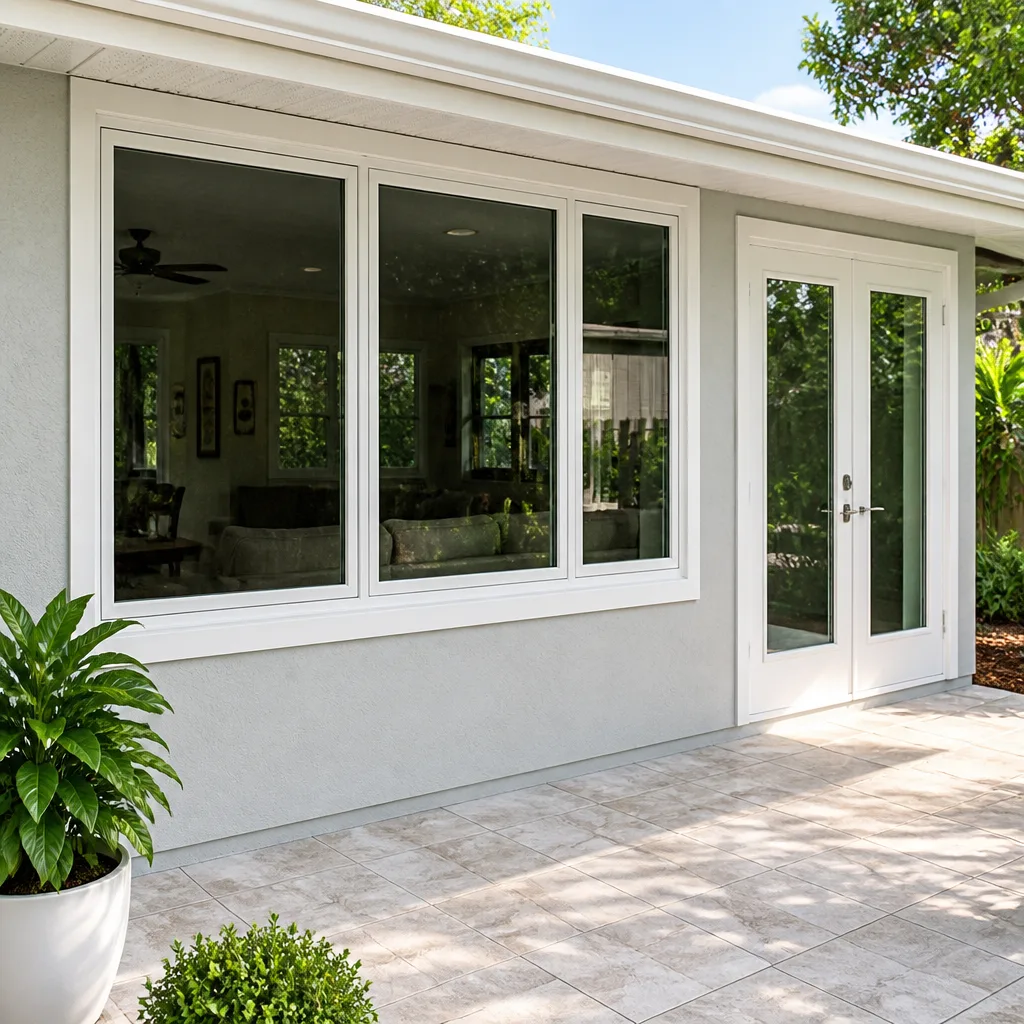 After
After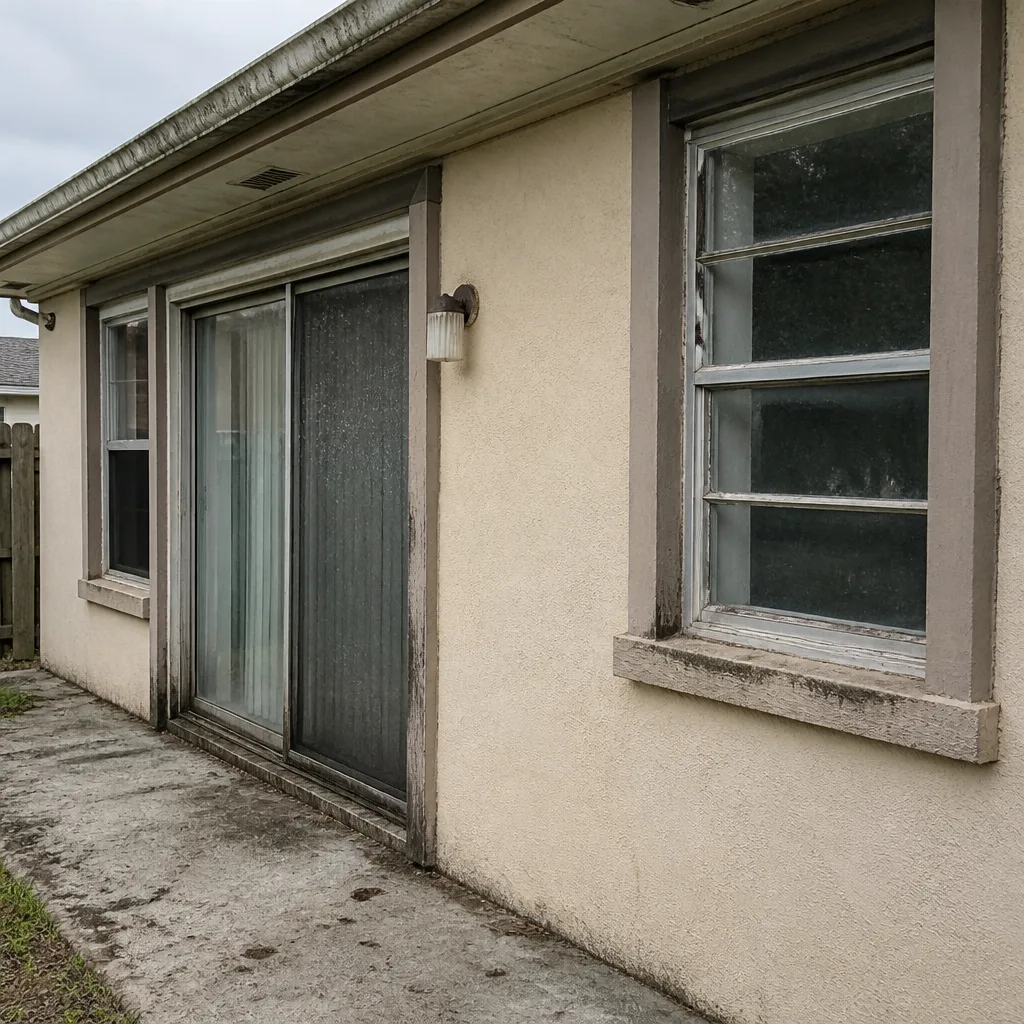 Before
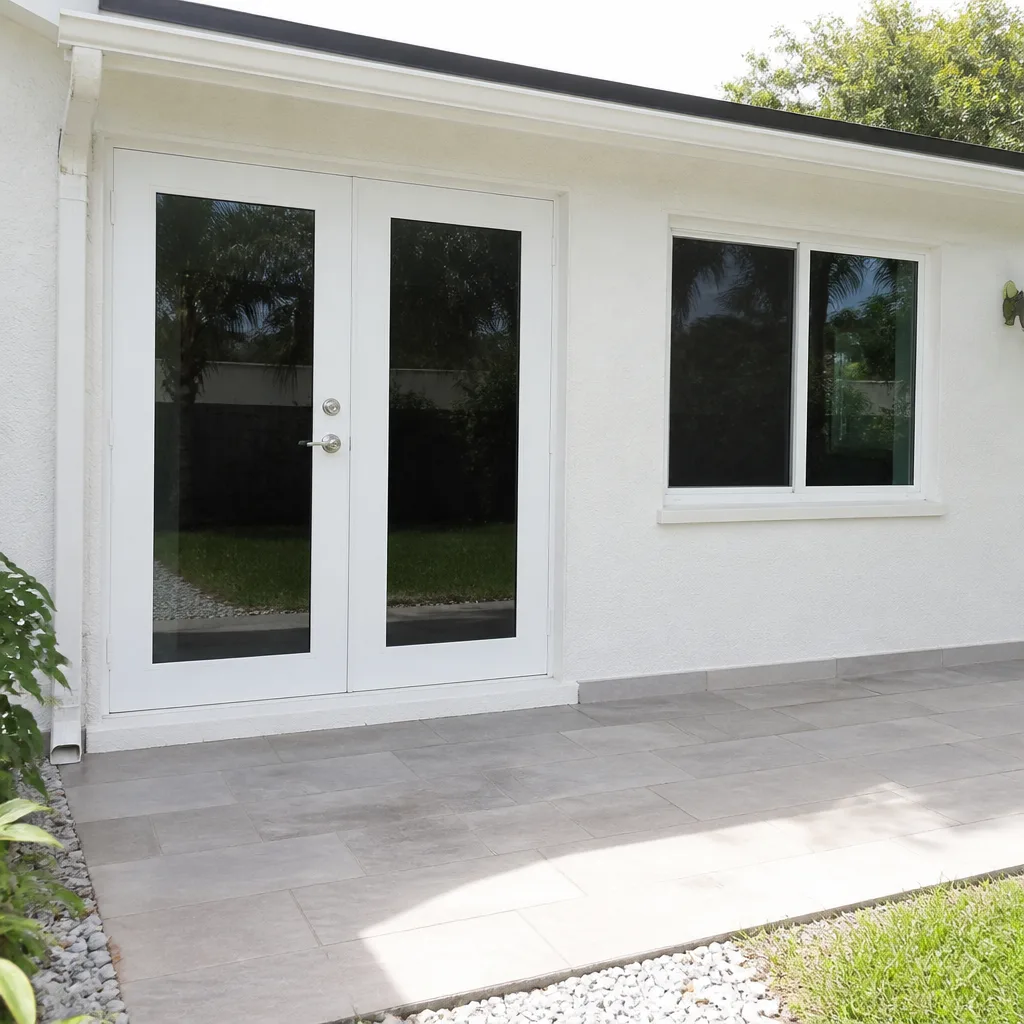 After
After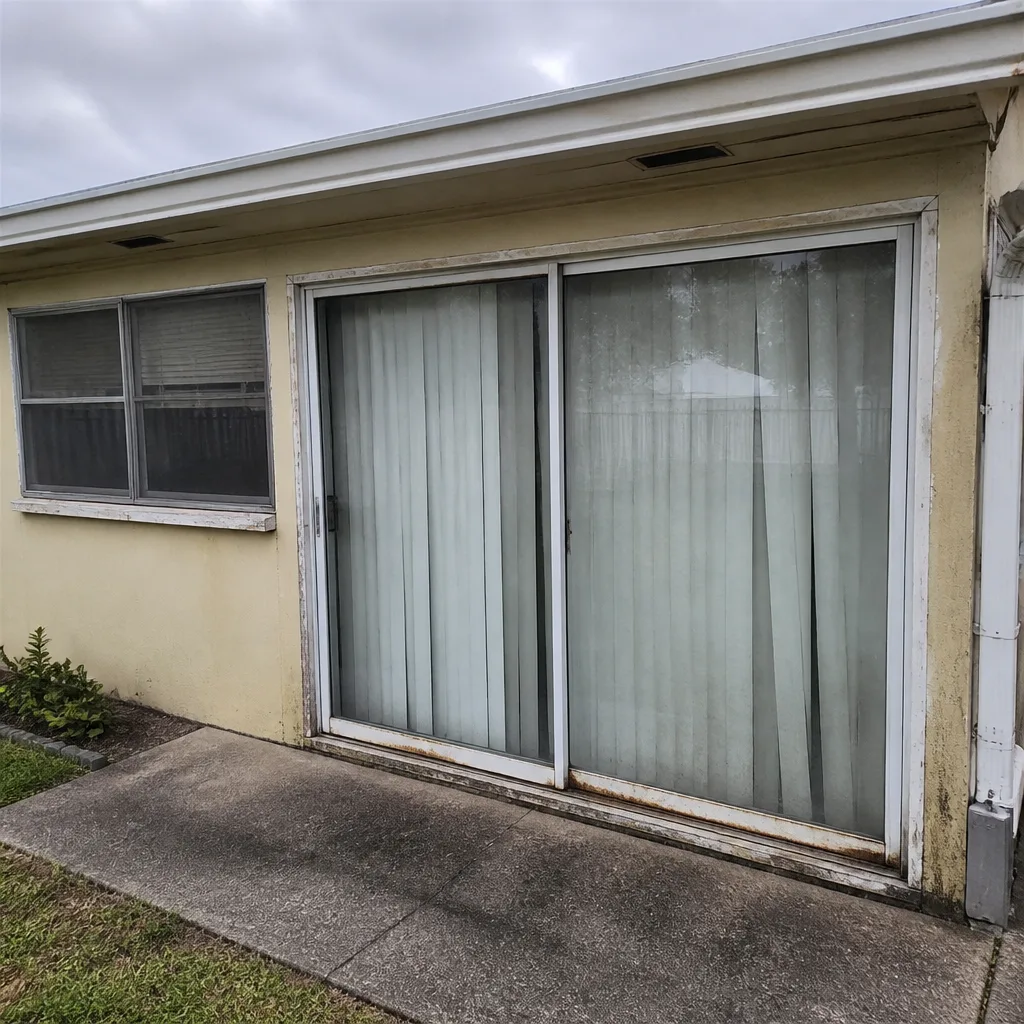 Before
 After
AfterWindows & Doors Permits, Codes & Inspections in FL: What You Need to Know
Florida is one of the few states where a window is not just a window. It is a structural component rated for wind pressure, missile impact, and water infiltration. A homeowner in Greenacres who replaces a bedroom window without a permit has not saved money. They have created a code violation that can stall a future home sale, void their homeowner’s insurance, and force a tear-out and re-install at full cost. This guide walks through the permits, codes, and inspections that govern window and door work in Florida, so you know exactly what the job requires before the first pane comes out.
Quick Answer
Window and door replacement in Florida almost always requires a permit. The Florida Building Code (FBC) treats windows and doors as structural components of the building envelope, not cosmetic upgrades, and the permit triggers an inspection to verify correct anchoring, flashing, wind-load ratings, and impact compliance. In Greenacres and throughout Palm Beach County, pulling the permit is the contractor’s job, and a reputable installer will not start work without it.
Table of Contents
- Do You Need a Permit to Replace Windows or Doors in Florida?
- Florida Building Code: What It Actually Says About Windows and Doors
- Wind Zones, Impact Ratings, and What They Mean for Your Home in Greenacres
- The Permit Process Step by Step
- Inspections: What the Inspector Checks, What Passes, and What Fails
- What Permits, Code Compliance, and Inspections Cost in Florida
- How to Verify a Contractor Is Doing It Right
- Common Mistakes to Avoid
- When to Call a Professional
- Frequently Asked Questions
- The Bottom Line
Do You Need a Permit to Replace Windows or Doors in Florida?
The short answer is yes, in almost every case. Replacing a window or door in Florida is regulated work. The state does not make an exception for swapping one window for another of the same size, because the new unit must still meet current wind-load and impact requirements. The moment you remove the existing unit from its rough opening, you touch the building envelope, and the Florida Building Code says that work requires a permit.
There are narrow exceptions. Repairing a window sash, replacing glass only (not the frame), or replacing hardware like locks and hinges typically does not require a permit. But replacing the entire window unit, changing the size of an opening, or installing a new opening where none existed always requires one. In Greenacres, code enforcement works through the Palm Beach County Building Division, and the rules here mirror the state standard.
What this means for you as a homeowner is simple. Any contractor who says “you don’t need a permit for this” on a full window or door replacement is telling you something that is not true. And when a contractor skips the permit, it is not the contractor who carries the liability. It is the homeowner whose property now has unpermitted work.
We have worked in Greenacres long enough to see the pattern. Someone buys a house, goes to refinance or file an insurance claim, and the inspector asks for the permit history on the windows. When the records do not exist, the seller or the homeowner is the one who pays to bring the work up to code. The savings from skipping the permit disappear fast.
Florida Building Code: What It Actually Says About Windows and Doors
The Florida Building Code, 8th Edition (2023), is built around one central fact: Florida has the most severe wind and hurricane exposure requirements of any state in the continental United States. Section 2403 and Chapter 16 of the FBC govern windows and doors. The code dictates what products can be installed, how they must be anchored, what wind pressures they must resist, and what documentation must accompany the installation.
Here are the key requirements in plain language:
- Design pressure rating: Every window and door installed in Florida must have an approved design pressure (DP) rating for the wind zone where the structure sits. The rating is expressed in pounds per square foot, like DP 50 or DP 60.
- Impact protection: Homes in the High Velocity Hurricane Zone (HVHZ) - Miami-Dade and Broward counties - and homes in the Wind-Borne Debris Region - which includes most of coastal Palm Beach County - must have impact-resistant products or approved shutters.
- Product approval: Every window or door must carry a Florida Product Approval number issued by the Florida Department of Business and Professional Regulation. This number is printed on the product label and cross-referenced during inspection.
- Anchoring and flashing: Installation must follow the manufacturer’s published installation instructions and Florida Product Approval drawings. Improperly anchored windows are among the most common inspection failures.
- Energy compliance: New windows must meet the Florida energy code requirements, including maximum U-factor and Solar Heat Gain Coefficient (SHGC) values for the climate zone.
Greenacres sits in Palm Beach County, which is inside the Wind-Borne Debris Region. That means impact-rated windows or an approved alternative shutter system is not optional here. It is a requirement. A standard contractor-grade window from a big-box store that lacks the Florida Product Approval number will fail inspection and cannot legally be installed on a home in this region.
We quote manufacturer lines side by side on paper for every job, in part because the product approval numbers are different for every manufacturer and model. A homeowner needs to see, in writing, that the exact window going into their home carries the Florida product approval required for their wind zone. Milgard, Pella, Marvin, and Jeld-Wen all manufacture impact-rated lines approved for use in Palm Beach County, but not every model from every manufacturer carries that approval.
Wind Zones, Impact Ratings, and What They Mean for Your Home in Greenacres
Florida divides the state into wind speed zones using maps in the Florida Building Code. The maps are based on the likelihood of sustained hurricane-force winds, and they determine what design pressure rating and what impact protection your windows and doors require.
Greenacres is inland from the coast, but it is not exempt. Palm Beach County’s Wind-Borne Debris Region extends well west of the Intracoastal. Homes in Greenacres must meet the wind-borne debris requirements, which means one of three things for you:
- Impact-rated windows and doors: Units tested to withstand a 9-pound 2×4 traveling at 34 mph without penetration. These units carry a dedicated impact approval and are labeled accordingly.
- Non-impact units with approved shutters: Standard windows can be installed if the home has a code-compliant shutter system, such as accordion shutters, roll-down shutters, or approved impact-rated coverings.
- A combination of both: Many Greenacres homes mix impact-rated units on the most exposed elevations with shutters on secondary openings.
The practical effect for a homeowner is this: when you replace windows in Greenacres, the new units must meet the same wind and impact standards as if you were building a new house. There is no grandfathering of the old code when you pull a permit for replacement work. An older house that predates the stricter codes does not get to reuse outdated windows in a permitted replacement project.
This is where many homeowners feel the cost pinch. Impact-rated windows from Pella or Marvin cost more than standard units. But the cost difference is not optional in this market. It is the cost of compliance, and installing non-compliant units simply creates an inspection failure, a product tear-out, and a second purchase.
The Permit Process Step by Step
Here is exactly how a window or door permit works in Palm Beach County, from application to final sign-off. This is the process a contractor handles on your behalf, and you should expect to see a copy of the permit before any work begins.
- Permit application: The contractor or a licensed permit expediter submits an application to the Palm Beach County Building Division. The application includes the product approval documents for the specific windows or doors being installed, a floor plan showing the locations of each unit, and the design pressure calculations for the openings.
- Plan review: A plans examiner reviews the submittal to verify the selected products meet the wind load, impact, and energy code for the exact address and structure. This step can take a few days to a few weeks depending on current review volume.
- Permit issuance: Once approved, the permit is issued and the work can be scheduled. The permit fee is based on the valuation of the work and is paid at this point.
- Installation: The windows or doors are installed according to the manufacturer’s published instructions and the approved plans. The permit card must be posted on the job site during work.
- Inspection: The installer calls for an inspection when the work is complete. The inspector verifies product labels against the permit documents, checks anchoring against the Florida Product Approval drawings, and confirms the flashing is done correctly.
- Final approval: When the inspection passes, the permit is closed and the work is recorded with the county. You should receive a copy of the closed permit for your records, because your insurance company and future buyers will want to see it.
In our experience in Greenacres, the most common delay in this process is incomplete product documentation at the application stage. A contractor who cannot tell you the exact manufacturer, model, and Florida Product Approval number for the windows going into your house is not ready to pull a permit for your work.
Inspections: What the Inspector Checks, What Passes, and What Fails
The inspection is the moment the work is verified against the code. It is not a casual walk-through. A building inspector from Palm Beach County is checking specific, objective requirements, and the work either meets the standard or it does not.
Here is what the inspector checks on a typical window or door project in Greenacres:
- Product labels: The inspector reads the label on each installed unit and verifies the manufacturer, model, and Florida Product Approval number match the permit documents exactly.
- Design pressure rating: The installed unit must meet or exceed the DP rating specified in the approved plans for that opening.
- Impact compliance: In the Wind-Borne Debris Region, the inspector verifies impact-rated glazing or an approved shutter system is in place for every protected opening.
- Anchoring: The inspector checks the number, spacing, and type of anchors against the manufacturer’s published installation instructions. Undersized or missing anchors are a common failure.
- Flashing and water management: The inspector verifies the pan flashing, head flashing, and any water-resistive barrier integration are installed according to the approved details. Flashing errors are the other most common failure point.
- Egress: For bedroom windows, the inspector verifies the replacement unit meets the emergency escape and rescue opening requirements. A window that is too small or too high off the floor for egress fails inspection regardless of everything else.
A failed inspection is not the end of the world, but it costs time and money. The contractor must correct the defects and call for a re-inspection, and the re-inspection may carry a fee. A reputable installer treats the first inspection as the only inspection. The work is done to the code standard before the inspector arrives, not corrected after a failure.
What Permits, Code Compliance, and Inspections Cost in Florida
Permit fees in Florida vary by municipality and county. In Palm Beach County, a typical window or door replacement permit runs between $75 and $400 for the base permit fee, depending on the project valuation and the number of openings. Some projects also include a plan review fee, a surcharge for the Florida Building Code, and a re-inspection fee if the first inspection fails.
Here is a realistic breakdown of what a homeowner in Greenacres can expect on a standard window or door replacement project:
- Permit application and issuance: $75 to $400, depending on valuation and number of units
- Per-opening inspection fees: often bundled into the base permit, but some municipalities charge per rough opening
- Impact-rated windows versus standard units: impact-rated windows typically add 20% to 45% to the material cost in Palm Beach County
- Contractor permit management: many installers include permit coordination in their quote; others line-item it separately at $150 to $500
- Re-inspection after failure: $75 to $150 per trip, paid by whoever caused the failure
- Shutter systems as an alternative: accordion or roll-down shutters run $25 to $45 per square foot installed if you choose the shutter route over impact glass
The line-item cost of the permit itself is rarely the biggest expense on a window replacement job. The bigger cost driver is code compliance: impact-rated units, product approvals, and the installation details that hold everything together. A contractor who suggests you will save money by skipping the permit is not saving you anything. They are shifting a future correction bill onto you.
How to Verify a Contractor Is Doing It Right
You do not need to become a building code expert to protect yourself on a window or door project in Greenacres. You need to ask the right questions and verify the answers in writing. Here is the checklist we recommend to every homeowner we talk to.
- Ask for the permit upfront: A legitimate contractor will name the permit as a line item in the quote and pull it before work starts. If the contractor avoids the permit conversation, end the conversation.
- Ask for the Florida Product Approval number: For every window and door going into your home, the contractor should be able to give you the specific product approval number, the manufacturer, and the model. If they cannot, they are not ready to order materials.
- Verify the contractor’s license: Florida requires a licensed contractor for window and door replacement work. Check the license number with the Florida Department of Business and Professional Regulation and confirm it is active and in good standing.
- Check insurance and bonding: At minimum, the contractor should carry general liability insurance and workers’ compensation coverage. Request a certificate of insurance with your name on it before work begins.
- Get a written scope of work: The quote should list every unit being replaced, the manufacturer and model, the type of glazing, the DP rating, and the permit and inspection responsibilities. A verbal estimate is not a contract.
- Ask about warranty registration: Manufacturer warranties on windows and doors are only valid when the product is registered with the manufacturer after installation. Ask who registers the warranties and when, and request written confirmation.
At TruePane Windows & Doors, we pull the permit on every job that requires one, and we register both manufacturer warranty layers in writing before the truck leaves the driveway. That standard is not unique to us, but it is far rarer than it should be. A homeowner in Greenacres should expect this level of documentation from any contractor who takes the work seriously.
Common Mistakes to Avoid
- Believing a same-size replacement needs no permit. A direct replacement still requires a permit in Florida. The code makes no distinction between a size-for-size swap and a new opening when the frame comes out of the wall.
- Buying windows from a big-box store and hiring a handyman to install them. Many big-box windows do not carry Florida Product Approval numbers for the Palm Beach County wind zone, and a handyman without a contractor’s license cannot legally pull the permit or perform the installation.
- Skipping the impact rating to save money. Installing non-impact windows in Greenacres without an approved shutter system will fail inspection and may violate your insurance policy terms. The money saved on material is spent later on replacement.
- Not checking the warranty registration. A manufacturer warranty is only as good as its registration. If no one registers the warranty, no one is covered.
- Allowing the contractor to skip the final inspection. A permit that is never closed is an open violation on your property record. The final inspection is the only way to close the permit and document the work as compliant.
- Basing the decision on price alone. The cheapest bid on a window replacement in Greenacres is often the one that skips the permit, skips the product approvals, and skips the inspection. The savings are temporary.
When to Call a Professional
Window and door replacement in Florida is not a do-it-yourself project. The code requirements, the product approval system, and the inspection process are designed for licensed professionals, and the liability for getting any of it wrong lands on the homeowner. If your windows leak during a Palm Beach County summer storm, if you are replacing more than one window at a time, or if you are considering impact-rated products for the first time, call a professional. If you are in Greenacres and want a free estimate on a window or door project, TruePane Windows & Doors offers no-obligation quotes with the permit, the product approvals, and both warranty layers handled in writing. Call (754) 339-0784 to schedule a visit.
Frequently Asked Questions
Yes, a permit is required to replace a window in Greenacres, including same-size replacements. The permit triggers an inspection that verifies the new window meets Florida product approval, wind load, and impact requirements. Call (754) 339-0784 if you want a contractor who handles the permit paperwork from start to finish.
Unpermitted window replacement creates a code violation that can surface during a home sale, a refinance, or an insurance claim, and the homeowner is responsible for correcting it. In Greenacres, the correction often means tearing out the unpermitted work and reinstalling with a permit and inspection. It is never cheaper to skip the permit.
Yes, impact-rated windows or an approved shutter system are required in Greenacres because the area sits within the Wind-Borne Debris Region of Palm Beach County. Replacement windows must meet the same impact protection standard as new construction, with no grandfathering of older, weaker units.
A typical window or door replacement permit in Palm Beach County runs between $75 and $400, depending on project valuation and the number of openings. Plan review fees and re-inspection fees can add to that total if the work requires corrections. Call (754) 339-0784 for a line-item estimate that includes all permit costs.
The permit review in Palm Beach County typically takes a few days to a few weeks, and the inspection is scheduled once the installation is complete. A contractor who prepares the product approvals correctly at the application stage avoids the most common delays. Exact timelines depend on the current review volume at the county.
The licensed contractor performing the work is responsible for pulling the permit, and the permit should be in hand before any work begins. A homeowner should never be asked to pull a permit in their own name for work performed by a contractor. If the contractor will not pull the permit, find a different contractor.
The Bottom Line
Window and door work in Florida is among the most heavily regulated residential trade work in the country, and for good reason. The code exists because wind, water, and debris do real damage to houses, and the wrong window in the wrong opening is a failure waiting to happen. In Greenacres, the path from quote to final inspection is straightforward when the contractor knows the code, carries the right product approvals, pulls the permit, and treats the first inspection as the only acceptable outcome. The best protection you have as a homeowner is simple: demand the permit, require the paperwork, and work with a contractor who puts everything in writing. It is the difference between a window that lasts thirty years and a window that has to be torn out and done over.
Written by Dale Kessler, Owner at TruePane Windows & Doors, serving Greenacres since 2008.
Six Reasons Homeowners Choose TruePane Windows & Doors
Impact systems engineered to design pressures up to +/-100, matched to your wind zone - your openings hold when the storm arrives.
Low-E insulated impact glass from our manufacturer lines commonly cuts monthly cooling bills 20-30%.
Laminated impact glass shuts out up to 40% of outside noise - traffic, neighbors, weather.
Monitoring services run $30-90 a month. Laminated impact glass resists forced entry around the clock, with no subscription.
Florida homeowners average around 25% savings on the windstorm portion of their policy after protecting every opening - some homes qualify for more.
A full impact package upgrades curb appeal, buyer confidence and appraised value in one project.