
Last updated August 27, 2026
Free in-home measure and quote - PGT, CGI and CWS impact lines compared on your actual openings, style by style
Sliding glass doors
Impact garage doorsPGTCGI
 Before
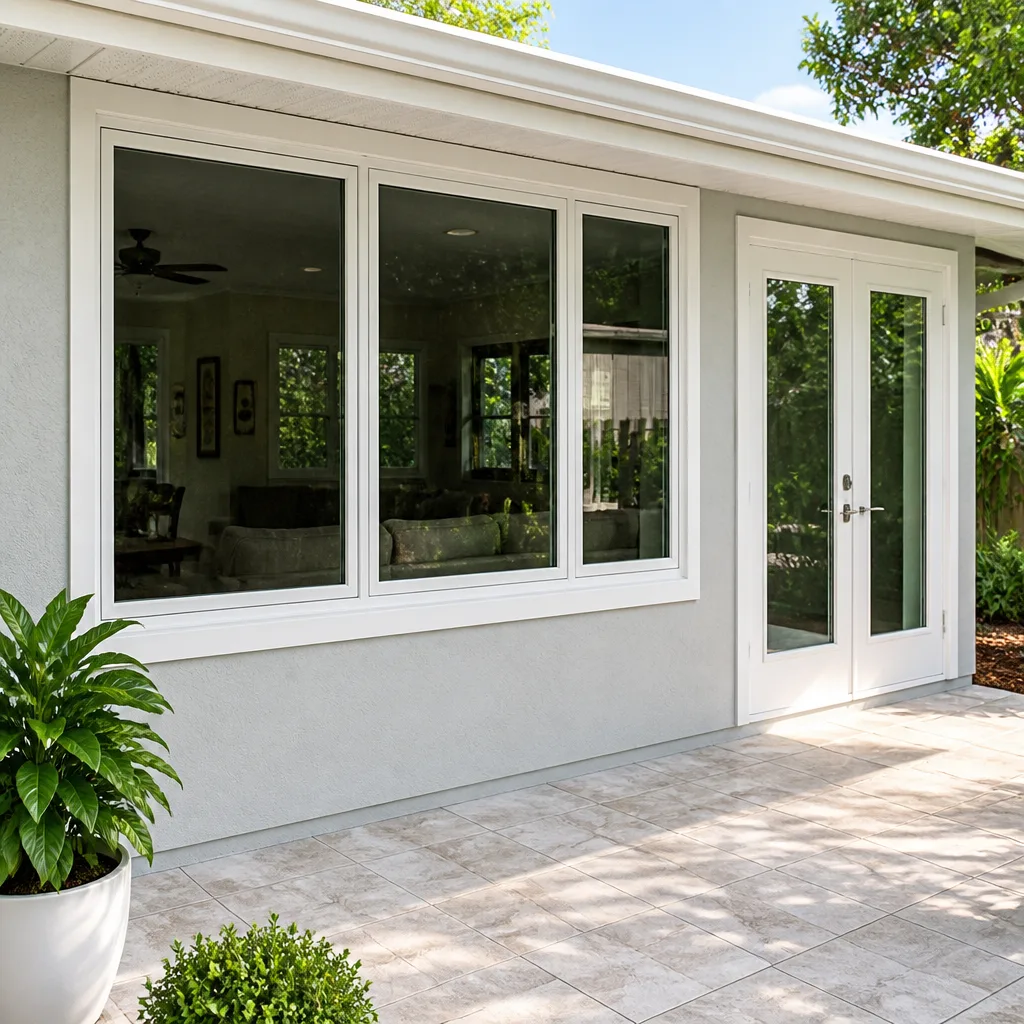 After
After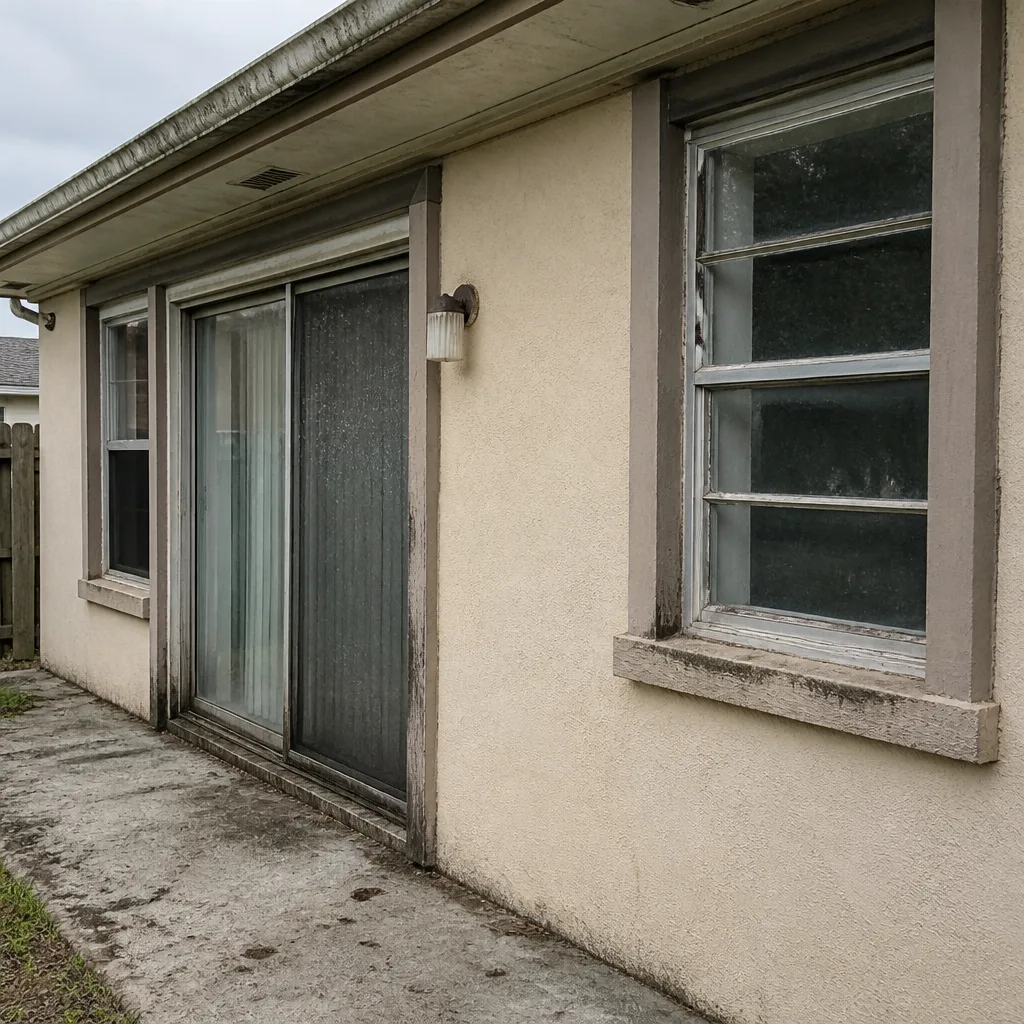 Before
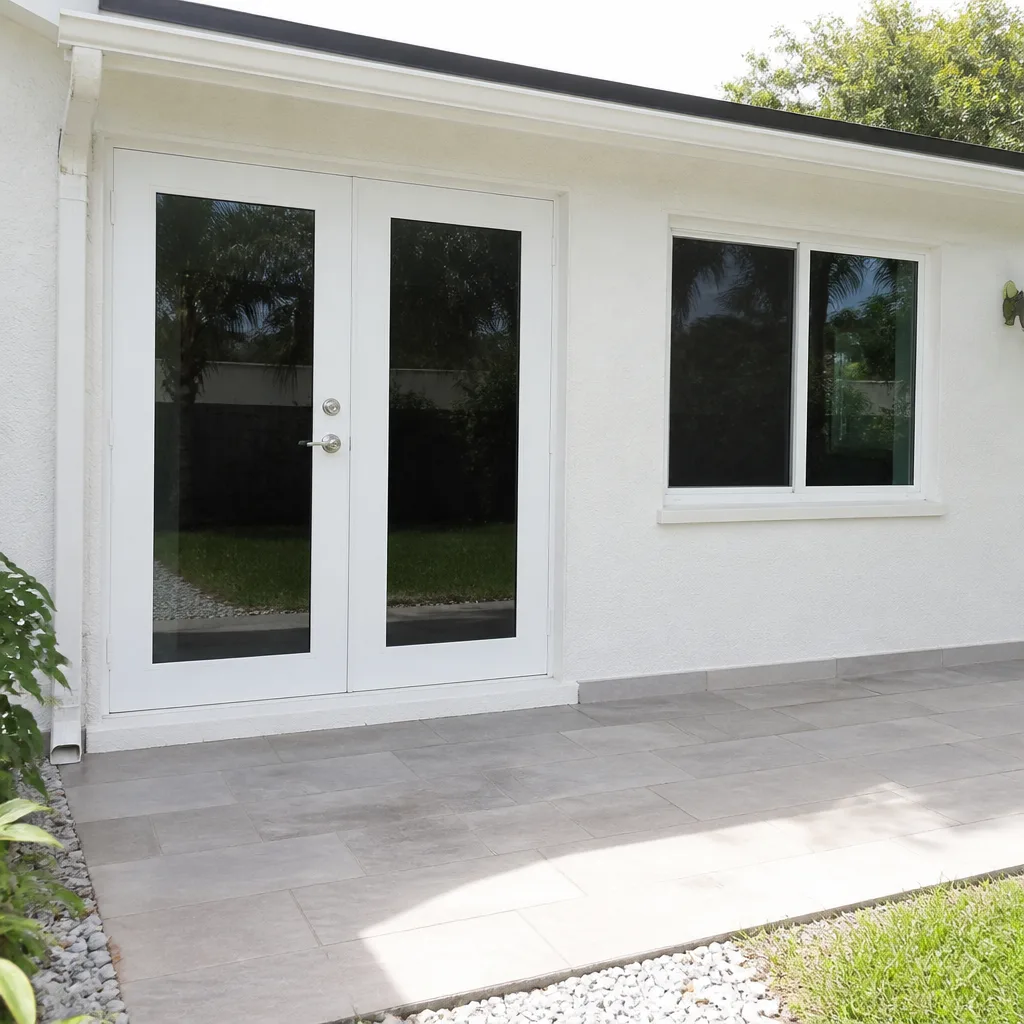 After
After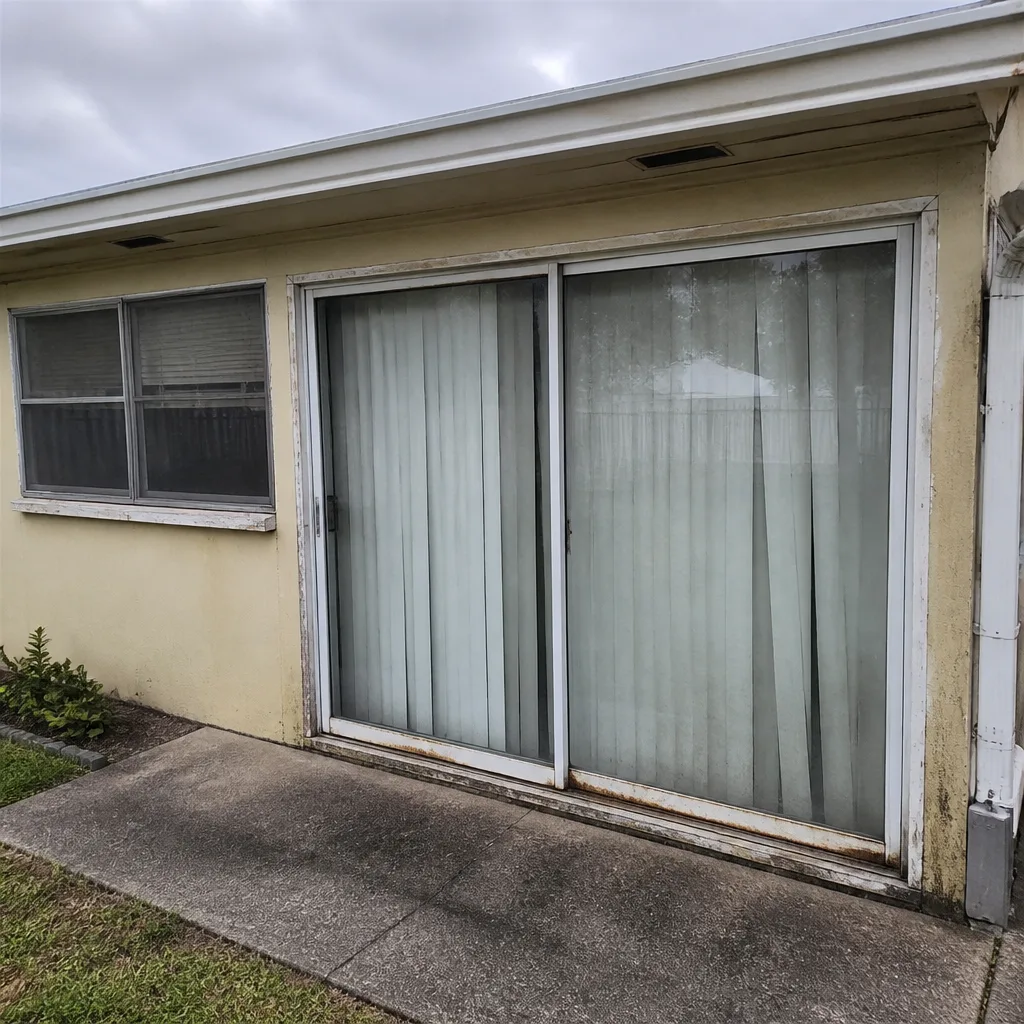 Before
 After
AfterSeasonal Windows & Doors Care for Greenacres: Year-Round Homeowner’s Guide
Most homeowners in Greenacres replace windows and doors because of failures that took years to develop - failed seals, warped frames, tracks ground down by sand and grit - not because a storm blew them out overnight. The Florida sun, the summer humidity, the salt air that drifts inland from the coast, and the afternoon thunderstorms all work against your windows and doors in ways that are predictable but rarely obvious until something binds, fogs, or stops sealing. This guide spells out exactly what we check season by season after more than years of installing and servicing windows and doors across Palm Beach County, including the specific things that go wrong in Greenacres homes. You’ll learn what to look at, what to clean, what to leave alone, and when to get a professional involved before a small problem becomes a replacement.
Quick Answer
Windows and doors in Greenacres need seasonal attention, not annual neglect - our climate means hardware lubricates differently in summer than winter, seals dry out in spring, tracks clog with sand in fall, and condensation patterns change with winter humidity swings. The practical routine is this: clean tracks and glass quarterly, lubricate hardware twice a year, check weatherstripping and caulk each spring, inspect for condensation or fogging after the first cold snap, and have a full maintenance visit done by a professional once a year. That schedule keeps most windows and doors operating correctly for decades in our climate, and it catches the small problems that turn into replacement jobs if ignored.
Table of Contents
- Why Greenacres Weather Is Different for Windows and Doors
- Spring Care: Post-Dry Season Inspection and Cleaning
- Summer Care: Humidity, Hardware, and Hurricane Season
- Fall Care: Sand, Tracks, and Transition Months
- Winter Care: Condensation, Seals, and the “Cold” Snap
- The Quarterly Maintenance Routine That Prevents Most Repairs
- Common Mistakes to Avoid
- When to Call a Professional
- Frequently Asked Questions
- The Bottom Line
Why Greenacres Weather Is Different for Windows and Doors
Greenacres sits far enough inland that we don’t get the direct salt blast that homes in Lake Worth Beach or Lantana deal with, but close enough to the coast that salt air still finds its way into window tracks and door hardware, especially during the summer when onshore breezes push moist, saline air across the city. What really sets Greenacres apart is the combination of intense sun exposure and afternoon storm patterns. Homes in neighborhoods like Nautica Isles and River Walk see the full force of western sun on rear windows and sliding glass doors in the afternoon, which means frames on those exposures expand and contract more dramatically than frames on north-facing walls. That movement is the single biggest factor in seal failure in Greenacres - not storms, not age, but repeated cycles of heat expansion followed by rain-cooled contraction.
The soil here matters too. Much of Greenacres is built on what was once marshland and agricultural land, which means expansive soil that shifts with the wet-dry cycle. Homes in older sections near Lake Worth Road and Jog Road sometimes see subtle slab movement that shows up first as doors that bind in the corner or windows that suddenly require more force to close. A door that sticks every July is often not a hinge problem - it’s the house breathing with the water table. That’s a Greenacres-specific pattern we’ve seen countless times, and it’s one of the reasons we measure every opening twice before recommending anything.
Spring Care: Post-Dry Season Inspection and Cleaning
Spring in Greenacres typically runs April through early May, after the dry season ends but before the daily storms settle in. This is the ideal window for a full inspection because the dry winter and early spring months have had their full effect on seals, caulking, and weatherstripping. The air is also more comfortable for working with windows open - important for checking tracks and seals without the air conditioning running. This is the season when our technicians in Greenacres find the most weatherstripping failures, because months of dry, warm air followed by cooler winter snaps cause rubber and foam gaskets to dry and crack.
- Clean every track with a dry brush first, then a damp cloth. The winter dry season leaves fine dust and pollen packed into window tracks and sliding door channels. Use a dry brush - an old toothbrush works well - to loosen the debris, then wipe with a damp cloth. Do not use WD-40 or any oil-based lubricant on tracks; it attracts more dirt. For aluminum and vinyl tracks, a dry silicone spray applied lightly after cleaning is fine.
- Inspect weatherstripping on every exterior door and operable window. Run your finger along the gaskets and look for cracks, flattening, or spots where the material has pulled away from the frame. Damaged weatherstripping costs more in AC over a Greenacres summer than you’d think, and it also lets in the humidity that causes interior condensation and mold.
- Check exterior caulking around window and door frames. Look for gaps where caulk has pulled away from the stucco or trim, especially on west-facing walls. Any gap wider than a thumbnail is worth re-caulking. This is not a difficult DIY job, but it requires removing old caulk completely - caulking over old caulk fails within a season in our heat.
- Test every window and door for smooth operation. Open and close each one slowly. Note any sticking, grinding, or resistance. A window that’s slightly harder to open in spring will be worse by August when the frame has expanded all it’s going to expand.
- Look for darkened or fogged areas between double-pane glass. Spring is when many homeowners first notice failed seals, because the contrast between morning cool and afternoon heat makes moisture appear. If you see interior fogging that won’t wipe away, the insulating seal has failed and the glass unit needs replacing - not the whole window.
We offer a maintenance check that covers all of this work, and for most Greenacres homeowners it’s the cheapest insurance against a bigger repair down the line. A tune-up in April catches the small things before summer puts real stress on every opening.
Summer Care: Humidity, Hardware, and Hurricane Season
Summer is not the season to start home improvement projects in Greenacres if you can help it, but it is the season when windows and doors fail most visibly. The afternoon thunderstorms arrive, humidity stays above 80% most days, and every piece of metal and wood in your openings is working hard. We see more emergency service calls in Greenacres between June and September than in the other nine months combined, and most of them are for problems that could have been caught in spring.
Hardware behaves differently in our summer humidity. Metal-to-metal contact points on hinges, rollers, and locks can develop surface corrosion that makes them grind or bind, especially on older aluminum windows common in Greenacres homes built in the 1980s and 1990s. The fix is usually simple: clean the contact points and lubricate with a dry silicone or Teflon-based lubricant. Oil-based products break down in our heat and run down the frame, staining stucco and vinyl. This is worth doing every summer, not just when something sticks.
Hurricane season also runs June through November, which means this is the time to verify that your impact windows and doors - or your shutters and panels - are in proper working order. For homes in Greenacres with impact-rated windows and doors, check that the frames have not warped and that the heavy laminated glass panels slide freely in their tracks. A 200-pound panel that binds halfway across its track is not a problem you want to discover on June 15. For homes without impact-rated openings, this is the season to think realistically about what a direct hit would do to old windows and sliding doors. We tell homeowners the honest truth: Greenacres is far enough inland to reduce the direct wind risk compared to coastal cities, but flying debris from the afternoon storms we get every summer can still shatter standard annealed glass. Impact windows and doors are not a small investment, but for homeowners planning to stay in this house for another twenty years, they are the single most practical upgrade we install.
Fall Care: Sand, Tracks, and Transition Months
Fall in Greenacres is subtle. The worst of the heat breaks in October, the afternoon storms taper off in late September, and the first cool front usually arrives in November. What lingers is grit: fine sand that the summer storms and wind have pressed into window tracks, door channels, and the joints of any hardware that isn’t sealed. If you live near a main road like Jog Road or Lake Worth Road, you’ll see more of this than homeowners in the quieter subdivisions, but everyone in Greenacres deals with it to some degree.
The most important fall task is deep-cleaning every sliding track and hinge area. Use a vacuum with a narrow attachment first, then a dry brush, then a damp cloth. What remains is often a fine, almost invisible layer of abrasive grit that wears down rollers and hinge pins over time. We hear from Greenacres homeowners who clean their tracks every fall and others who never do - the difference shows up in how long their original rollers last. On a sliding glass door, worn rollers mean the door sags, scrapes the frame, and eventually needs a track and roller replacement. Clean tracks in October and the rollers on most doors will last fifteen to twenty years.
Fall is also the season to check window and door screens for tears. The bugs in Greenacres that come out after rain - and in the fall, the moths and beetles attracted to porch lights - will find any gap. A screen repair is a small job, but a screen repair done before you need the screen is better than discovering a tear when the weather finally cools enough to open the windows.
One more thing: fall is the best season in Greenacres for window and door replacement if you’re considering it. The heat has broken, the storms are mostly done, and your home won’t be opened to the elements for extended periods. If you’ve noticed drafts, difficulty opening windows, condensation between panes, or doors that don’t lock smoothly, fall is when we recommend doing the work. You’ll have the new openings in place before the brief winter cool-down and long before next summer’s storm season.
Winter Care: Condensation, Seals, and the “Cold” Snap
Winter in Greenacres is short and mild by any northern standard, but it’s still the season that reveals the most about your windows and doors. When temperatures drop into the 40s and 50s - which they do, every year, even if only for a few weeks in January - the temperature difference between inside and outside is enough to make condensation appear on old or poorly sealed glass. We get more calls about “window fogging” in January than in any other month, and the cause is almost always one of two things: failed double-pane seals, or interior humidity that’s too high for the glass temperature.
Here’s the difference. If condensation forms on the interior surface of the glass and wipes away with a finger, that’s an indoor humidity issue. It means your windows are actually doing their job - the glass is cold, the inside air is moist, and water forms on the surface. Fixing it means lowering interior humidity, which in Greenacres usually means running the AC a bit more, using bathroom and kitchen exhaust fans, or running a dehumidifier. If condensation forms between the two panes of glass and won’t wipe away no matter how hard you try, that’s a failed seal. The insulating gas has leaked out, the desiccant inside the spacer has been exhausted, and that particular glass unit - not the whole window - needs replacing. We replace failed glass units in Windows from Pella, Marvin, Milgard, Jeld-Wen, and other major manufacturers, and in most cases the frame stays in place.
Winter is also a good time to check that doors still seal properly when the house contracts slightly in the cooler air. A door that sealed fine in August might show a thin gap at the top corner in January. That gap is the house settling and the frame adjusting. It’s usually a five-minute adjustment for a technician who knows what to look for, and it’s better to catch it in January than to wait until summer when the humidity pours through it.
One winter-specific note for Greenacres: if you have a north-facing sliding glass door, pay attention to whether the track feels stiffer in winter. Aluminum tracks contract slightly in cooler weather, and if the door was set tight during the summer, winter’s contraction can make it feel like the door is fighting you. This is usually not a repair issue - just a normal seasonal change. But if the door binds to the point where you need two hands to move it, or if it scrapes metal against metal, don’t force it. A technician should look at it before the track gets damaged.
The Quarterly Maintenance Routine That Prevents Most Repairs
Most window and door repairs in Greenacres are predictable. They happen because a small issue - a dirty track, a dry roller, a cracked gasket - was left alone long enough to become a big one. The single best thing any Greenacres homeowner can do is put a simple quarterly routine on their calendar: walk the house, open and close every window and door, look and listen. It takes twenty minutes. Here’s the routine we recommend.
- Clean every track and channel. Dry brush first, vacuum if needed, damp cloth last. No oil-based products.
- Operate every window and door fully. Open, close, lock, unlock each one. Note anything that sticks, grinds, or feels different from last quarter.
- Check weatherstripping and seals by sight and feel. Run your hand along every gasket. Look for curled edges, cracks, or gaps where daylight shows through.
- Lubricate hardware with a dry silicone or Teflon spray. Hinges, rollers, locks, and sliding tracks. A light coat, never a soak.
- Inspect glass for fogging, cracks, or edge damage. Look at the corners of each pane - that’s where stress cracks start.
- Verify drainage holes are clear. Most modern window frames have small weep holes at the bottom outside edge. In Greenacres, these clog with sand, pollen, and insect debris. A clogged weep hole traps water in the frame, which leads to corrosion and eventually seal failure. Clear them with a pipe cleaner or a thin wire when they’re clogged.
Do that four times a year and you’ll catch 90% of the issues we find during our maintenance check. The last 10% - subtle seal failures, hidden corrosion, and frame alignment issues - require a trained eye and the right tools, which is why we recommend one professional tune-up a year on top of your own quarterly checks.
Common Mistakes to Avoid
- Using WD-40 or oil-based lubricants on window tracks and door hardware. These products attract sand and grit in Greenacres’ dry season and break down in our summer heat, leaving a sticky residue that clogs tracks and grinds down rollers. Use dry silicone or Teflon-based lubricants instead.
- Caulking over old caulk. In our heat, new caulk applied over old, cracked caulk will peel within months. The old caulk must be scraped out completely, the surface cleaned and dried, and only then can the new bead go down.
- Ignoring a door that’s slightly harder to close than it used to be. A binding door in a Greenacres home is often the first sign of slab movement or frame settlement, and the problem compounds fast. Adjusting a door early costs a fraction of what it costs to rebuild a track or replace a warped frame.
- Forcing a window that won’t open smoothly. If the window resists and you force it, you risk bending the hinge, cracking the glass at the corner, or stripping the operator mechanism on casement and awning windows. Stop and find out why it’s sticking before you push harder.
- Assuming interior condensation automatically means a failed seal. In most Greenacres homes during winter, interior condensation on the room side of the glass is an indoor humidity issue. Replacing a perfectly good window doesn’t fix that. Confirm which surface is fogging before you spend money.
- Skipping the weep hole check. Most homeowners in Greenacres have never looked at the weep holes on their window frames, but these tiny drains are what keep rainwater and condensation from sitting inside the frame. Clogged weep holes are one of the most common causes of corrosion and seal failure we see in older Greenacres homes.
- Waiting until a window is visibly failing to get a quote. By the time you can see fogging between the panes, hear whistling around the frame, or feel a draft, the damage has already progressed. A tune-up or inspection costs $89 today. A full replacement costs thousands. The math is what it is.
When to Call a Professional
Some window and door work is straightforward and safe for a homeowner who’s comfortable with a measuring tape and a screwdriver: cleaning tracks, replacing weatherstripping, touching up caulk, checking weep holes. But there are real limits, and part of making a window or door last is knowing where those limits are. If you see fogging between double-pane glass, that’s a failed seal, and replacing the glass unit is not a DIY job - it requires precise measurements, the right glass thickness, and proper gas filling. If a door is binding due to frame settlement or slab movement, forcing it or shaving the door edge is a temporary fix at best and a damaging one at worst. If you have impact windows or doors that no longer slide smoothly, the weight of those panels makes them genuinely dangerous to work on without the right equipment and training. If you notice cracks running from the corner of any glass pane, do not touch it - that pane is under stress and can shatter without warning.
If you’re not sure whether something is a maintenance issue or a repair, that’s exactly what an inspection is for. TruePane Windows & Doors offers free estimates in Greenacres - call (754) 339-0784 and we’ll send a technician who will tell you honestly whether you need a repair, a tune-up, or nothing at all.
Frequently Asked Questions
TruePane Windows & Doors charges $89 for a Maintenance Visit in Greenacres, which includes cleaning tracks and hardware, lubricating all moving parts, checking weatherstripping and seals, and testing every operable window and door in the home. Call (754) 339-0784 to schedule yours - and keep in mind we also offer a permanent 5% discount for seniors and veterans.
At minimum, once a year - spring is ideal, after the dry season has done its work on seals and before summer heat and storms arrive. Homeowners who do their own quarterly cleaning and lubrication can often stretch professional tune-ups to every 18 to 24 months, but for older homes in Greenacres with original windows and doors, we recommend annually.
Summer heat causes frames - especially aluminum frames common in Greenacres homes built before 2000 - to expand. If the door was originally installed with tight clearances, that expansion can make the door bind. It’s a common seasonal issue, but if it’s happening every summer and getting worse, the track may be worn or the rollers may be failing. Call (754) 339-0784 for a free assessment - we’ll tell you whether it’s an adjustment or a track replacement.
If the fogging is between the glass panes, the seal has failed and the glass unit needs replacing - but the frame usually stays in place. TruePane works with glass units from Pella, Marvin, Milgard, Jeld-Wen, and other major brands, so you can replace the failed glass unit without replacing the whole window. If you’re not sure whether the fogging is a failed seal or interior humidity, call (754) 339-0784 and we’ll take a look.
Greenacres is inland enough that we don’t get the direct storm surge and coastline wind that coastal cities face, but we still get summer afternoon storms with wind gusts strong enough to throw debris through standard annealed glass. For homeowners planning to stay long-term, impact-rated windows and doors are a meaningful upgrade; for those on a budget, shutters or panels are a reasonable alternative. TruePane is an authorized installer for impact-rated lines including PGT and CGI, and we’ll quote impact and non-impact options side by side so you can decide with real numbers in front of you.
No. TruePane quotes fixed pricing on paper before work begins, and we register both manufacturer warranty layers in writing before the truck leaves your driveway. If we find something unexpected during the job - a rotted frame, a hidden structural issue - we stop, show you what we found, and give you a written price for the additional work before proceeding. No surprise line items on the bill. Call (754) 339-0784 for a free estimate in Greenacres.
The Bottom Line
In the Greenacres climate, windows and doors are not a set-it-and-forget-it part of the house. They expand and contract with the seasons, they collect sand and grit from our dry weather, they absorb humidity from our summers, and they show their age in specific, predictable ways. A homeowner who cleans tracks quarterly, lubricates hardware twice a year, checks seals and caulk each spring, and watches for condensation patterns each winter will catch most problems while they’re still small and cheap to fix. And for the problems that need a professional - failed seals, binding doors, impact window maintenance, and replacement work of any kind - the right company matters as much as the right price. If the pane is not true, the job is not done. That’s why at TruePane Windows & Doors home, we stand behind everything we install, in writing, with the Done Right Promise and no fine print on what we’ll fix. Call (754) 339-0784 for your free estimate, and we’ll be there when we say.
Written by Dale Kessler, Owner at TruePane Windows & Doors, serving Greenacres since 2008.
Six Reasons Homeowners Choose TruePane Windows & Doors
Impact systems engineered to design pressures up to +/-100, matched to your wind zone - your openings hold when the storm arrives.
Low-E insulated impact glass from our manufacturer lines commonly cuts monthly cooling bills 20-30%.
Laminated impact glass shuts out up to 40% of outside noise - traffic, neighbors, weather.
Monitoring services run $30-90 a month. Laminated impact glass resists forced entry around the clock, with no subscription.
Florida homeowners average around 25% savings on the windstorm portion of their policy after protecting every opening - some homes qualify for more.
A full impact package upgrades curb appeal, buyer confidence and appraised value in one project.