
Last updated August 27, 2026
Free in-home measure and quote - PGT, CGI and CWS impact lines compared on your actual openings, style by style
Sliding glass doors

Impact garage doorsPGTCGI
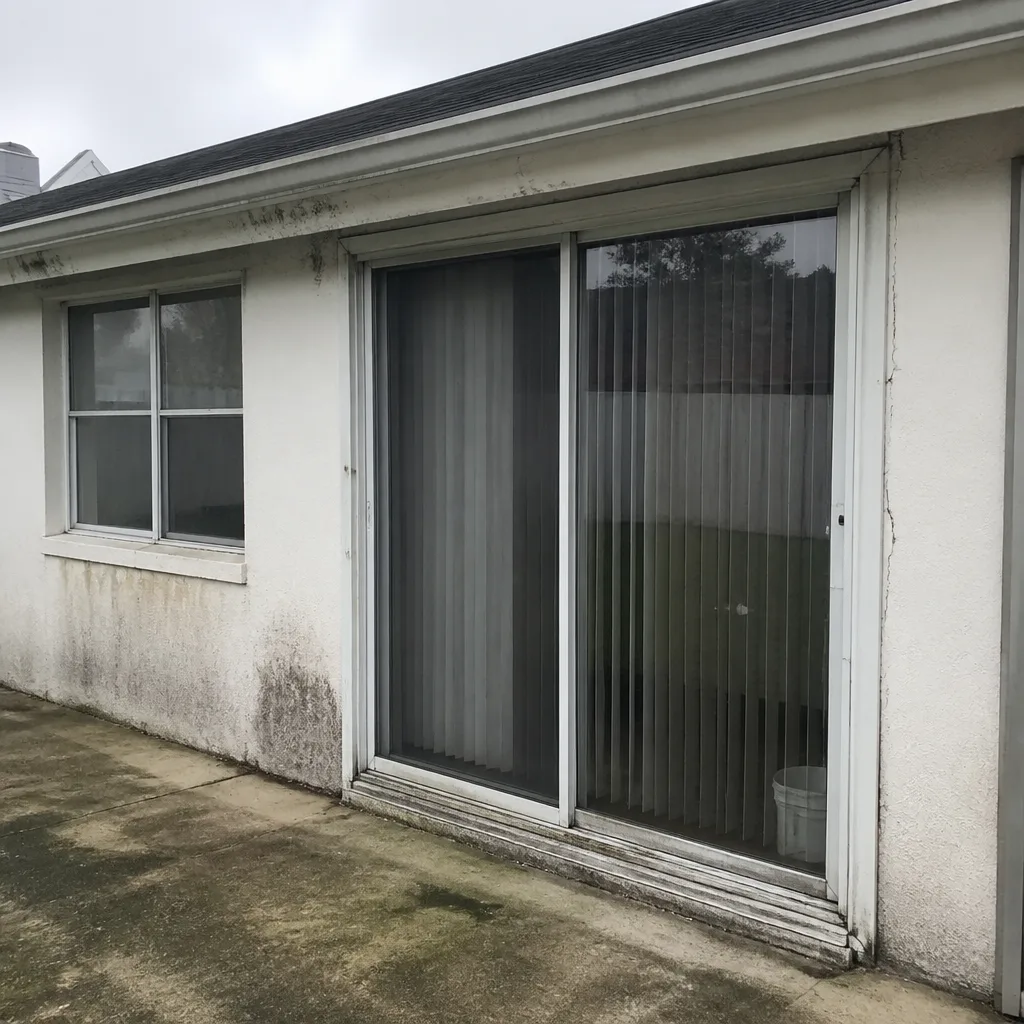 Before
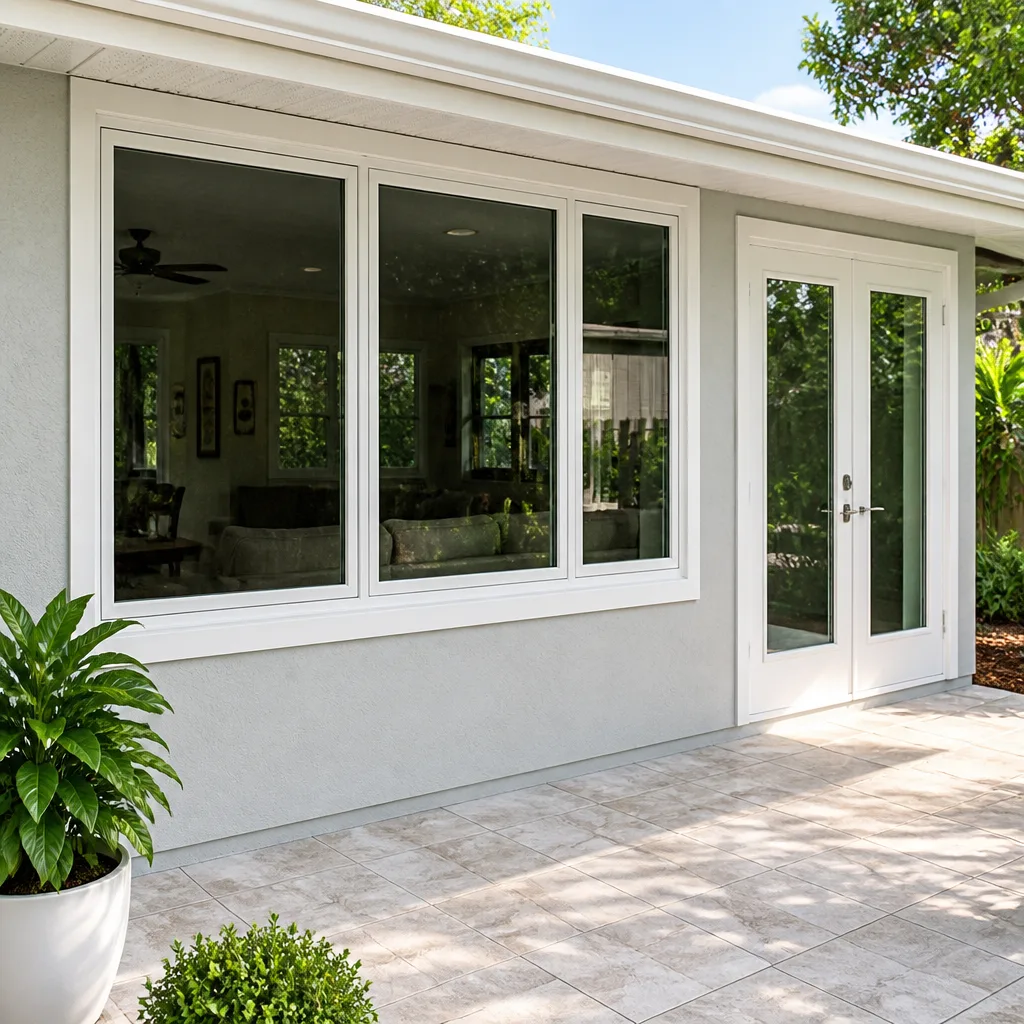 After
After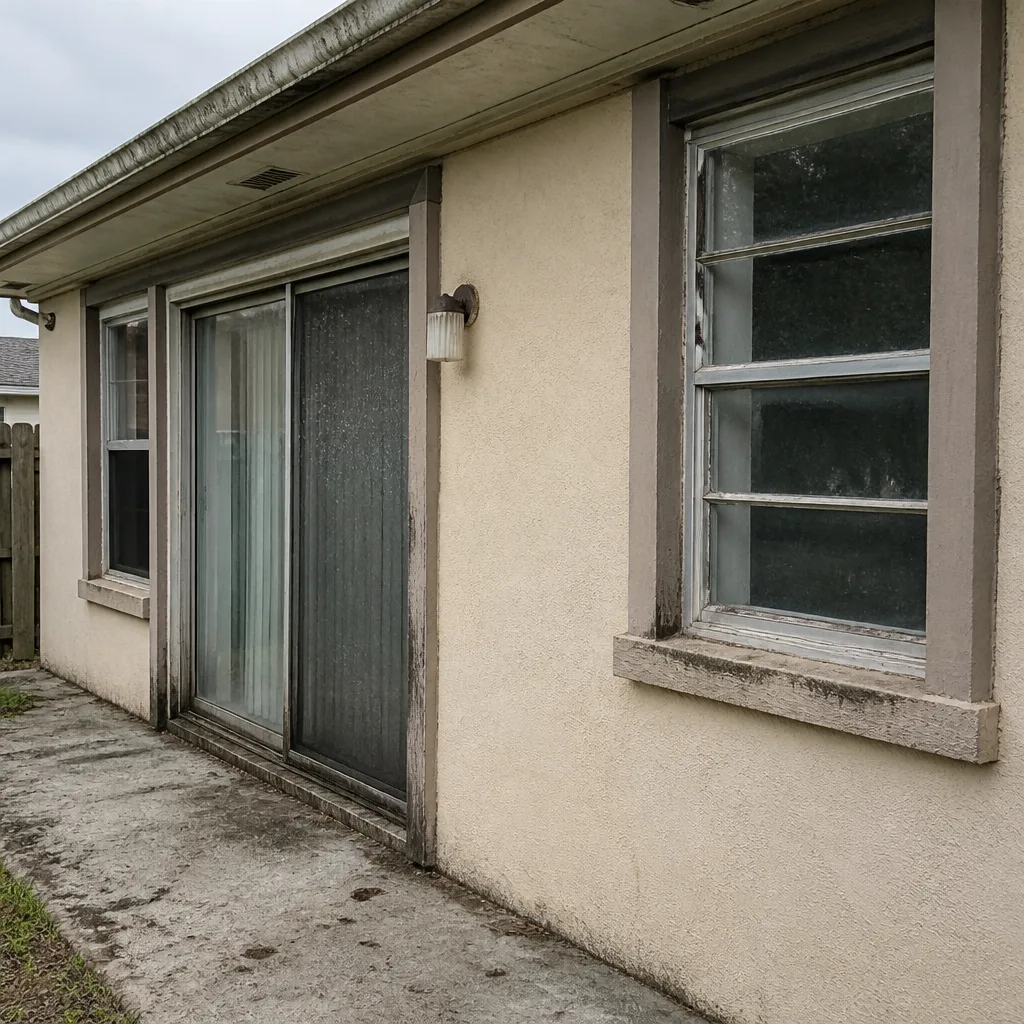 Before
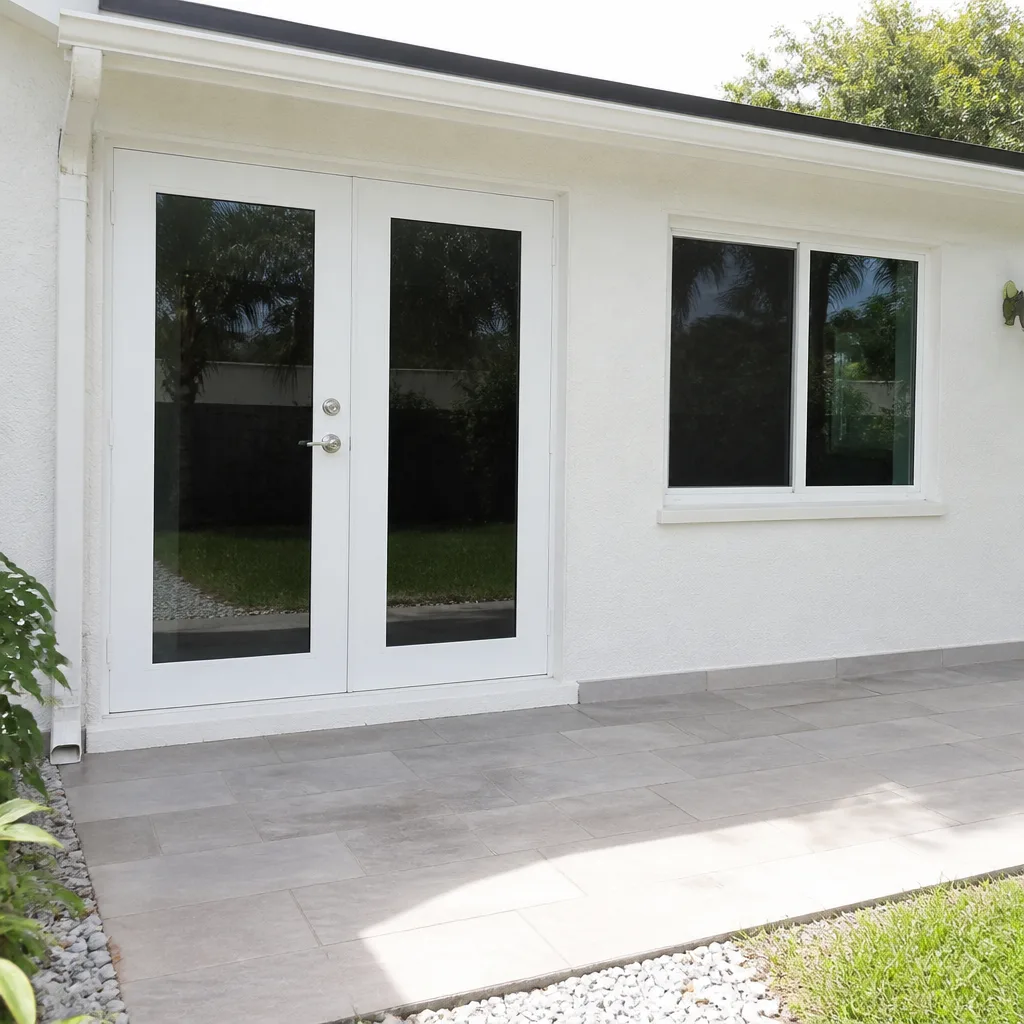 After
After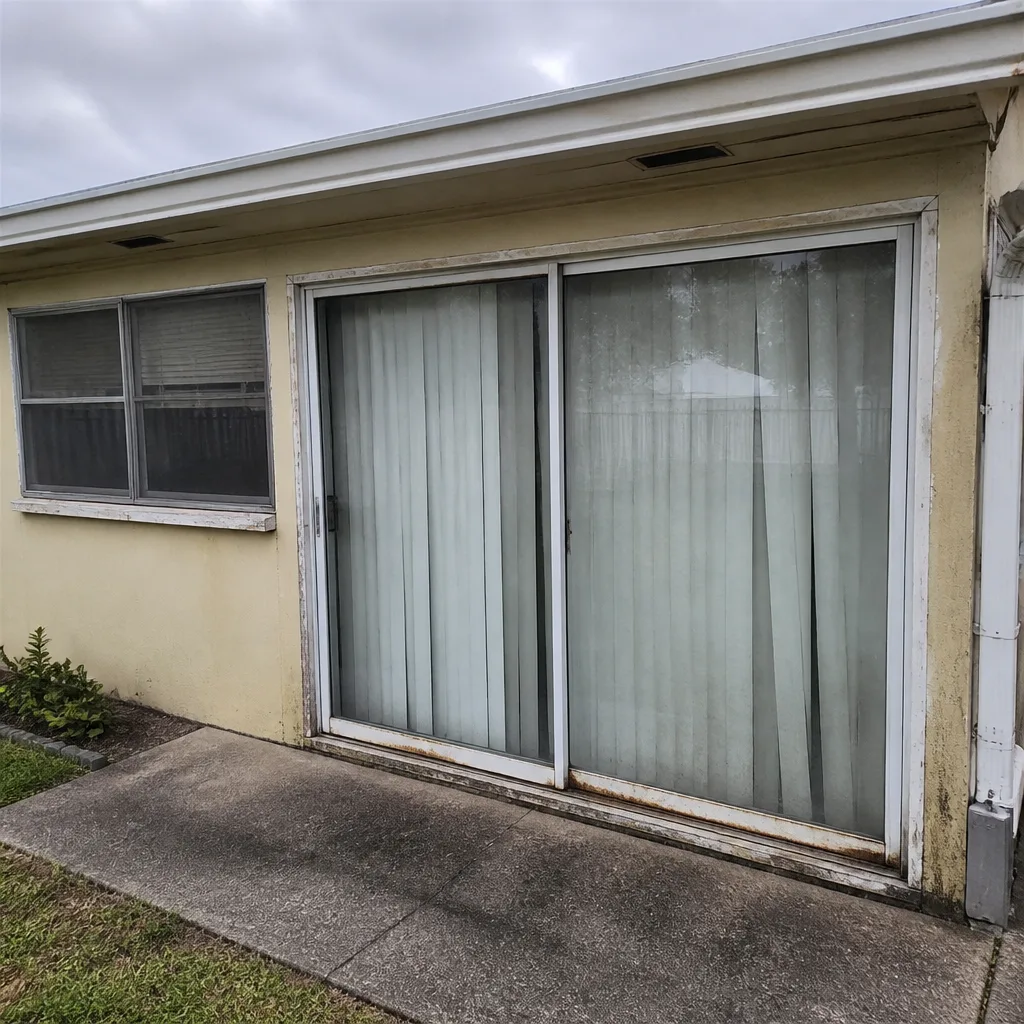 Before
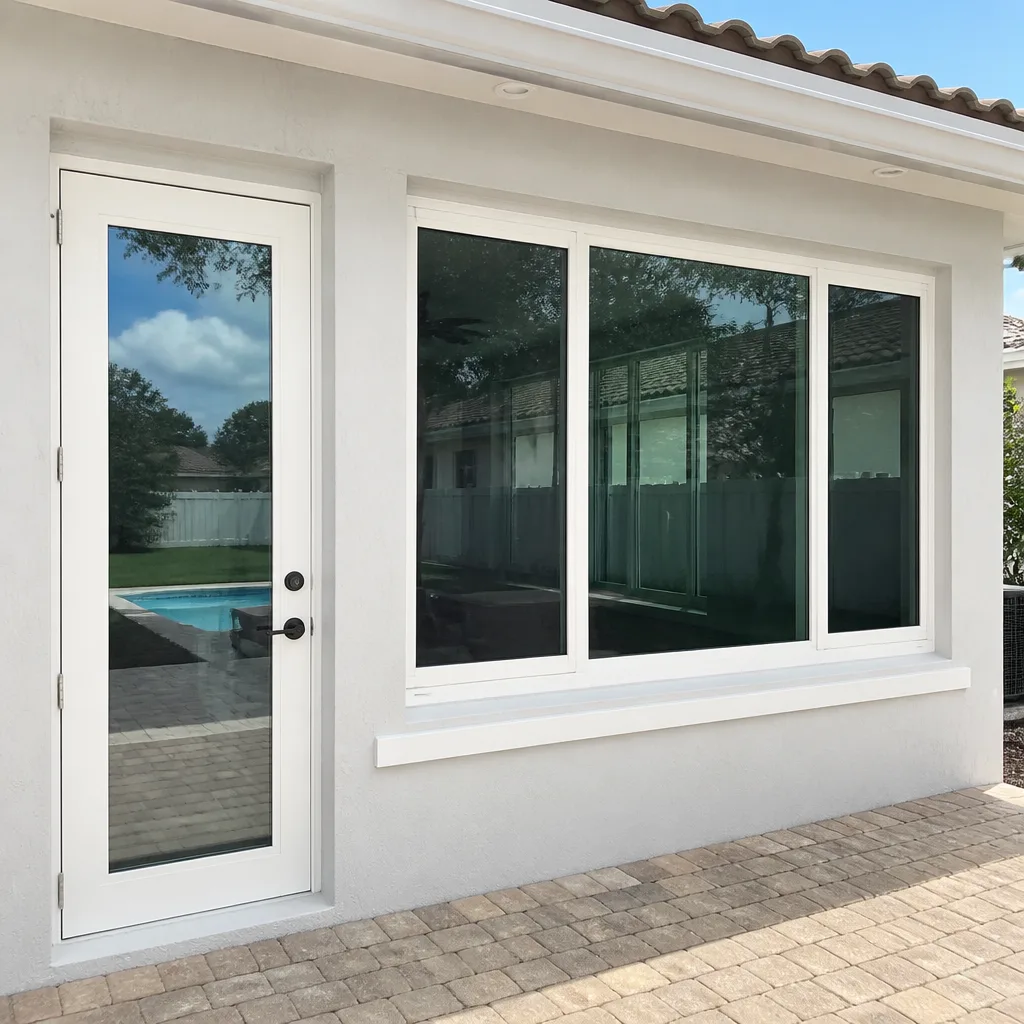 After
AfterWindow Installation Maintenance Checklist for Greenacres Homeowners
Most window failures in Greenacres don’t start with a cracked pane or a rotted frame. They start quietly, with a homeowner who assumes the windows installed in 1998 are still doing what they did in 2002. Florida humidity, afternoon thunderstorms, and salt air work slowly, and by the time you notice a draft or a fogged seal, the problem has usually been compounding for years. This guide walks through what to check, when to check it, and what actually matters for windows in a subtropical climate like Greenacres. You’ll learn the difference between normal wear and structural trouble, what maintenance you can handle safely, and when a trained professional should take over.
Quick Answer
A window maintenance checklist for Greenacres homeowners should include twice-yearly track and frame inspections, annual seal and caulk checks, monthly screen cleaning during pollen and storm season, and immediate attention to condensation between panes, sticking sashes, or visible light around weatherstripping. Most of these checks take under fifteen minutes per window and prevent the two biggest local problems: water intrusion from afternoon thunderstorms and seal failure from humid air.
Table of Contents
- Why Greenacres Climate Demands Its Own Window Checklist
- Monthly Window Maintenance Tasks
- Seasonal Inspections That Catch Problems Early
- Seals, Caulk, and Weatherstripping: What Greenacres Homeowners Should Know
- Tracks, Rollers, and Hardware Maintenance
- Glass and Screen Care for Florida Light
- Warning Signs That Mean More Than Cosmetic Wear
- Common Mistakes to Avoid
- When to Call a Professional
- Frequently Asked Questions
- The Bottom Line
Why Greenacres Climate Demands Its Own Window Checklist
Greenacres sits far enough inland that hurricane-force winds arrive weakened, but close enough to the Atlantic that salt-laden breezes still reach window frames in neighborhoods like Riverbridge and The Hollows. That combination, along with afternoon thunderstorms that show up like clockwork from June through September, creates conditions most national maintenance guides simply don’t address. Moisture is the enemy here, and it attacks from two directions at once: outside, where driving rain finds every gap in caulk; and inside, where air-conditioned rooms meet humid outdoor air against the glass.
In our experience, Greenacres homeowners deal with two window problems more than any others. First, seal failure. The insulated glass units that keep your home cool eventually lose their seal, and when that happens, humid Florida air gets trapped between the panes. You’ll see fogging that won’t wipe away. Second, track corrosion. Even aluminum and vinyl frames react to decades of humidity and salt exposure, and rollers start to grind against buildup that becomes abrasive. A window that once slid open with one hand now requires two.
The good news is that most of this is preventable with a consistent maintenance routine. The catch is that the routine has to match the climate. Checking caulk once every three years isn’t enough here. Neither is assuming that windows rated for northern climates will behave the same way in Palm Beach County.
Monthly Window Maintenance Tasks
These are the quick checks that take ten to fifteen minutes for the whole house. They’re designed to catch small problems before they become expensive repairs, and none of them require special tools.
- Check for condensation between panes. Walk the perimeter of each room and look at the glass at an angle. Fog or moisture trapped inside the insulated glass unit means the seal has failed. This won’t fix itself. In Greenacres, where humidity inside homes sits lower than it does outside, inter-pane condensation is always a seal problem, never a “weather thing.”
- Open and close every operable window. A window that sticks, drags, or requires force is telling you something. Track buildup, worn rollers, or a frame that has shifted out of square. Catching this early keeps a minor cleaning job from becoming a replacement.
- Inspect screens for tears or gaps. Florida bugs are persistent. A quarter-inch tear in a screen is a welcome mat for mosquitoes and no-see-ums. Check especially around the spline where the screen meets the frame, since that’s where most failures start.
- Wipe down tracks with a dry cloth. Remove leaves, sand, and the fine grit that accumulates after storms. For sliding windows and patio doors, this one habit extends roller life more than anything else.
- Look for water stains on interior sills and drywall. After heavy rain, check for discoloration that suggests water is getting past the frame. Stains are often the first visible sign of a caulk failure that hasn’t fully leaked inside yet.
These monthly tasks matter because Greenacres weather doesn’t give you a gentle season to recover. The humidity is constant, and neglect compounds fast.
Seasonal Inspections That Catch Problems Early
Twice a year, usually March and October in Greenacres, give every window a closer look. March catches the end of the dry season before summer rains begin. October catches the aftermath of hurricane season and lets you address any issues before the mild winter months.
In March, focus on the exterior of every window. Check the caulk lines where the frame meets the stucco or siding. Look for hairline cracks, gaps where caulk has pulled away, or areas where the bead has dried and shrunk. Pay extra attention to west-facing windows, which take the most afternoon sun and heat. In neighborhoods like Nautica Isles and throughout central Greenacres, we see caulk fail on western exposures years before it fails anywhere else on the house.
Check weep holes while you’re out there. These small openings at the bottom of the exterior frame allow water that inevitably gets past the weatherstripping to drain back outside. If they’re clogged with dirt, pollen, or insect nests, water sits in the track and eventually works into the frame. A bent paperclip clears them safely. Just don’t enlarge them or caulk over them, which causes more problems than it solves.
In October, focus on the interior. Check weatherstripping for compression and loss of shape. Layering a dollar bill between the sash and frame and closing the window should leave the bill snug. If it slides out easily, the seal needs attention. This is also the time to inspect the frame edges around the glass for signs that the insulated unit is loose, since thermal expansion over a long Florida summer can shift glass within vinyl frames.
Seals, Caulk, and Weatherstripping: What Greenacres Homeowners Should Know
The seal systems on your windows do two jobs. They keep outside air outside, and they keep conditioned inside air from leaking into the wall cavity. When either fails, you pay for it on your FPL bill and eventually in repair costs. In a climate like Greenacres, where air conditioners run ten months a year, even small air leaks add up faster than most homeowners realize.
Weatherstripping is the first line of defense. Most modern windows use either compression strips, pile weatherstripping, or a combination. Compression strips are foam or rubber and rely on spring-back when the window closes. Over years of use, especially in the heat that softens rubber compounds, these strips flatten and stop rebounding. Pile weatherstripping, common on sliding windows, wears down from friction and eventually leaves a visible gap.
You can test your weatherstripping with a simple visual and tactile check. Run your finger along the full perimeter while the window is closed and feel for airflow. On windy days in Greenacres, you’ll often feel drafts more readily. Alternatively, use a stick of incense and watch the smoke near window edges. Any smoke that leans or blows inward means air is moving through.
Caulk failures tend to be easier to spot because they happen on the exterior. Look for areas where the caulk has pulled away from either the frame or the wall, places where it flakes when touched, or spots where a gap has opened up. Silicone caulks last longer in UV exposure than acrylic latex, but they need a clean, dry surface to bond. If you’re touching up caulk in Greenacres, do it during the dry season, not between afternoon storms.
One note for homeowners with older single-pane windows in some of the original Greenacres homes: caulk and weatherstripping can only do so much. If the glass itself conducts heat readily, sealing gaps won’t transform performance. That’s a replacement decision, not a maintenance task.
Tracks, Rollers, and Hardware Maintenance
Sliding windows and patio doors depend on clean tracks and functioning rollers. When either fails, the result is a unit that binds, grinds, or refuses to move. In Greenacres, where outdoor air carries sand and salt from the coast, tracks accumulate abrasive grit faster than in inland climates.
Start with the track itself. Remove loose debris with a vacuum crevice tool or a dry brush. Then wipe the entire track with a damp cloth, working into the corners where grime packs down hardest. If the track has stain or corrosion, a mild soap solution handles buildup without damaging the finish. Avoid petroleum-based lubricants here. They attract dirt and create a paste that accelerates wear.
Rollers on most windows ride on small wheels that eventually flatten or seize. If a window slides poorly after the track is clean, the rollers are the likely culprit. Replacing them usually requires removing the sash, which is manageable on some models but risky on larger units. If you’re unsure, a professional with an established local history in Greenacres is the right call. When rollers get bound and force is repeatedly applied, the frame flexes, and the window eventually ends up out of true, which means more than a hardware replacement.
Hardware checks include locks, cranks on casement windows, and the pivot points on double-hung sashes. A crank that turns hard can sometimes be helped with a dry silicone spray on the gear mechanism. Locks that misalign usually mean the sash has shifted, which points back to wear in the hinges or rollers. In either case, the fix is rarely just a new handle.
Glass and Screen Care for Florida Light
Florida sun is harder on window glass than most homeowners expect. The combination of UV exposure and intense heat cycling accelerates the aging of low-emissivity coatings and makes regular cleaning more important than simply keeping things looking nice. Grime and hard water spots trap heat and degrade the glass surface over time.
For routine cleaning, use a mild dish soap solution and a soft cloth or a non-abrasive sponge. Avoid ammonia-based glass cleaners on coated glass. They can break down the low-E coating gradually, especially when applied in direct sunlight. In Greenacres, where afternoon sun is harsh, clean glass in the early morning or late afternoon when the surface is cool.
Screens need attention too. Rinse them with a garden hose and allow them to dry before reinstalling. For built-up pollen, which is heavy in Greenacres during the spring, use a soft brush and soapy water. Never pressure-wash screens. The blast tears the fine mesh and defeats the entire purpose.
Pay attention to the condition of the screen frame. Aluminum frames corrode over time, especially in coastal air. Look for pitting or white oxidation. A frame in poor shape loses tension, and the screen sags, which leaves the window unprotected right where insects find their way in.
Warning Signs That Mean More Than Cosmetic Wear
Some window problems are maintenance issues. Others are the beginning of a failure that no amount of cleaning will fix. Knowing the difference saves you from spending money on short-term patches.
Fog between panes means the insulated seal has failed. The only durable fix is replacing the glass unit or the entire window, depending on frame condition and age. That’s not a Greenacres humidity quirk. It’s a product failure, and it means the window has lost much of its insulating value.
Visible daylight around the sash when closed is a structural issue. Either the weatherstripping is fully compressed beyond wear, the sash is out of square, or the frame has warped. On double-hung windows in older Greenacres homes, this often accompanies header sag in the opening itself, which requires a deeper look at the rough opening structure.
Soft or crumbling wood frames indicate rot. Once rot is present, caulk and paint only disguise it temporarily. The damaged wood continues to hold moisture, and the problem spreads. Frame rot in Florida is frequently far more extensive inside the wall than it appears from outside because moisture migrates inward.
Windows that won’t stay open or closed on their own point to failed balance systems or stripped hardware. Forcing them to hold position with a stick or a board creates a serious safety issue, especially on larger units where the sash can drop unexpectedly.
These are the moments to call for professional evaluation rather than reaching for a caulk gun. A window that’s out of true from day one was never installed right, and any maintenance routine is just managing the symptom.
Common Mistakes to Avoid
- Using petroleum lubricants on window tracks. WD-40 and similar products feel like they help for a week, then attract dust and grime until the window moves worse than before. Use dry silicone or a manufacturer-recommended lubricant instead.
- Painting over caulk failures or sealed joints. Paint fills a visual gap but doesn’t create a flexible seal. The failure continues behind the paint, and often accelerates because moisture gets trapped against the frame.
- Cleaning glass with abrasive pads or ammonia in direct sun. Scratches from scrub pads are permanent, and ammonia plus heat plus coated glass means the low-E coating degrades prematurely.
- Blocking weep holes. Homeowners sometimes caulk over them thinking they’re gaps that shouldn’t be there. They’re drainage points, and blocking them guarantees water sits in the track and works into the frame.
- Ignoring a slightly sticking window. A window that drags a little now will drag a lot in six months. The fix is always cheaper before the track gets worn down and the hardware gets strained.
- Assuming all Greenacres windows need the same maintenance. East-facing windows take morning sun and salt. West-facing windows take sustained afternoon heat. Impact-rated windows from manufacturers like Pella or Marvin have different hardware and weatherstripping specs than builder-grade units. Check labels before applying any product.
- Relying on “maintenance” to save a dead sealed unit. Fogged glass is not a humidity issue you can clean away. Once condensation is between the panes, replacement is the only real fix, and delaying it just means paying higher energy bills while waiting.
When to Call a Professional
Some window maintenance is safe and smart for a homeowner to handle. Cleaning tracks, checking caulk, inspecting screens, testing weatherstripping. Those are all reasonable. But certain conditions warrant a trained eye, and guessing wrong can turn a repair job into a replacement.
Call a professional if you see fog between panes, repeated water stains below a window, wood that flexes or crumbles under pressure, glass that’s cracked in the corner of the pane, or a window that’s out of square enough that the lock no longer engages. On impact-rated units, any visible shift in the frame or a cracked pane means the structural integrity is compromised, and that’s not something to experiment with.
TruePane Windows & Doors offers free estimates in Greenacres. Call (754) 339-0784 and you’ll speak with a live person who can help you figure out whether you’re looking at maintenance or something that needs actual repair.
Frequently Asked Questions
Monthly track and screen checks are enough for most homes, with deeper seasonal inspections in March and October. Monthly checks take about fifteen minutes for the entire house and catch most problems before they turn expensive. Call (754) 339-0784 if a check turns up something you’re not sure about.
No. Fog between the panes means the sealed insulated glass unit has failed, and the only durable fix is replacing the glass unit or the entire window. There’s no cleaning product or drilling method that restores the seal. In our experience in Greenacres, attempting DIY fixes on fogged units usually leads to a broken pane and a bigger replacement cost.
Basic DIY maintenance costs almost nothing, and a professional maintenance visit runs around $89 with our team. Repairs like roller replacement, weatherstripping renewal, or glass unit replacement vary based on the window type and age. Call (754) 339-0784 for a written estimate before committing to anything.
Yes, in two main ways. Impact-rated windows from brands like PGT or Marvin have heavier duty hardware and different weatherstripping than standard units, so replacement parts and adjustments are more specific. And any damage to an impact window frame or laminate glass affects the window’s structural rating, which means repairs need to be done correctly by a credentialed professional. We’re an authorized installer for several impact lines and can assess what you’re working with in Greenacres.
Exterior condensation happens when warm, humid outdoor air meets glass that’s been cooled all night by your AC. It’s actually a sign the windows are insulating well, not a defect. If you’re seeing this on east-facing windows in Greenacres during summer mornings, it’s normal. But condensation trapped between the panes is a different story entirely.
Frame materials matter more than age here. Quality vinyl frames tend to last 20 to 30 years in Greenacres conditions, while aluminum frames often show significant wear within 15 to 20 years, and wood frames require the most active maintenance. With consistent care, most well-made windows from lines like Milgard or Jeld-Wen should give you 20 to 30 years of service before replacement becomes the better financial choice. Many windows fail early because they were never installed correctly in the first place; a window that’s true from day one lasts longer than one that’s been fighting itself from installation onward.
The Bottom Line
Window maintenance in Greenacres is not complicated, but it is consistent. Check tracks, caulk, and weatherstripping regularly. Watch for fog between panes, daylight around sashes, and water stains on sills. Handle the simple tasks yourself and bring in trained help for anything structural. The homeowners who get the longest life from their windows in this climate are the ones who catch small problems before they compound. Every window from our shop at TruePane Windows & Doors home is installed with the Keystone Standard, which means if the pane is not true, the job is not done. Call (754) 339-0784 for a free estimate on anything these checklists turn up, and we’ll give you a straight answer about whether it’s maintenance or something that needs real attention.
Written by Dale Kessler, Owner at TruePane Windows & Doors, serving Greenacres since 2008.
Six Reasons Homeowners Choose TruePane Windows & Doors
Impact systems engineered to design pressures up to +/-100, matched to your wind zone - your openings hold when the storm arrives.
Low-E insulated impact glass from our manufacturer lines commonly cuts monthly cooling bills 20-30%.
Laminated impact glass shuts out up to 40% of outside noise - traffic, neighbors, weather.
Monitoring services run $30-90 a month. Laminated impact glass resists forced entry around the clock, with no subscription.
Florida homeowners average around 25% savings on the windstorm portion of their policy after protecting every opening - some homes qualify for more.
A full impact package upgrades curb appeal, buyer confidence and appraised value in one project.