
Free in-home measure and quote - PGT, CGI and CWS impact lines compared on your actual openings, style by style
Sliding glass doors
Impact garage doorsPGTCGI
 Before
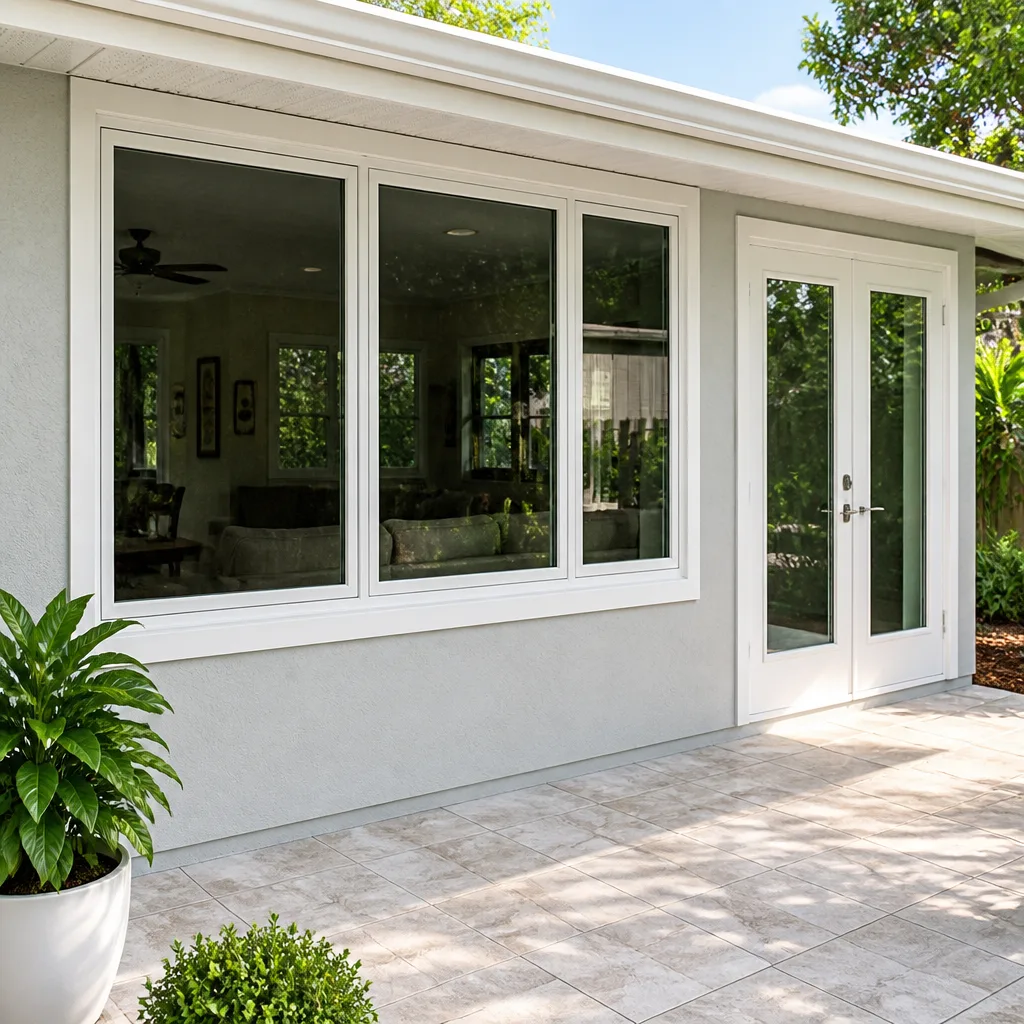 After
After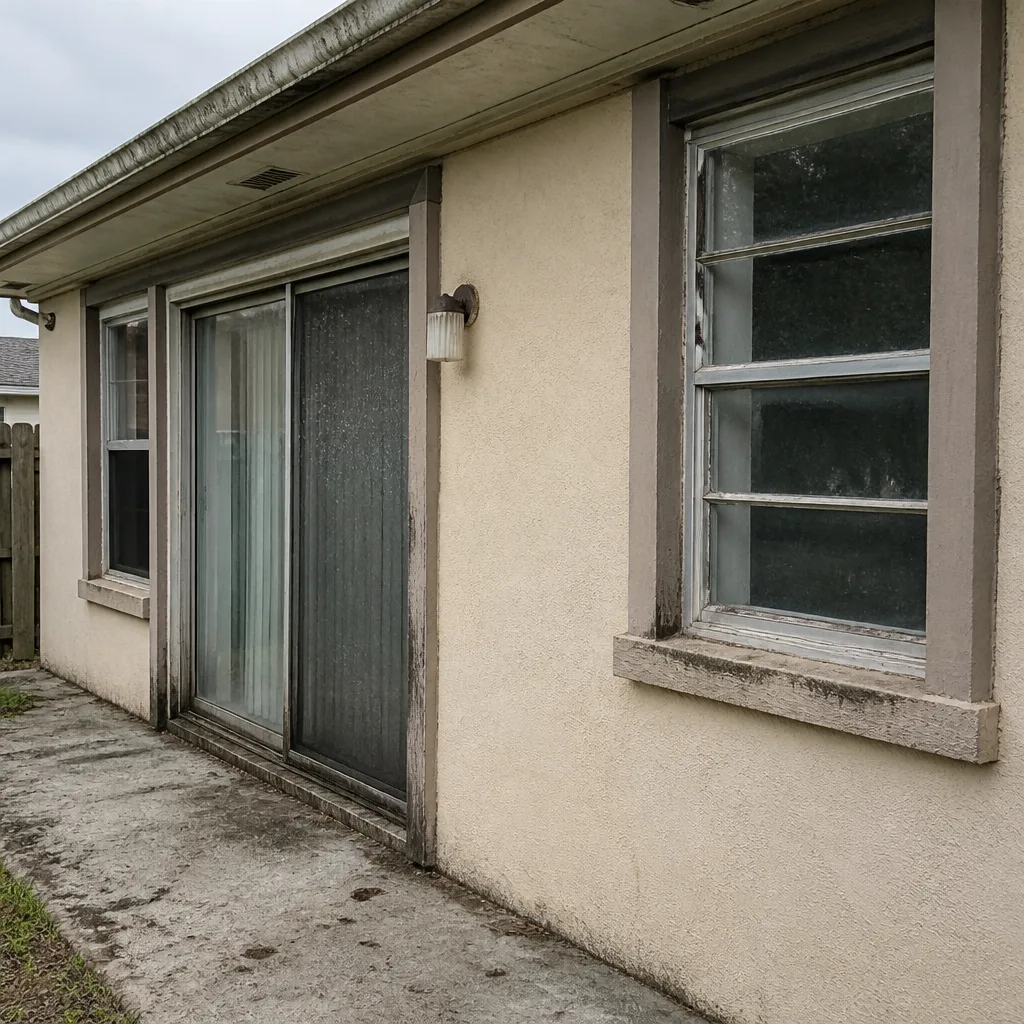 Before
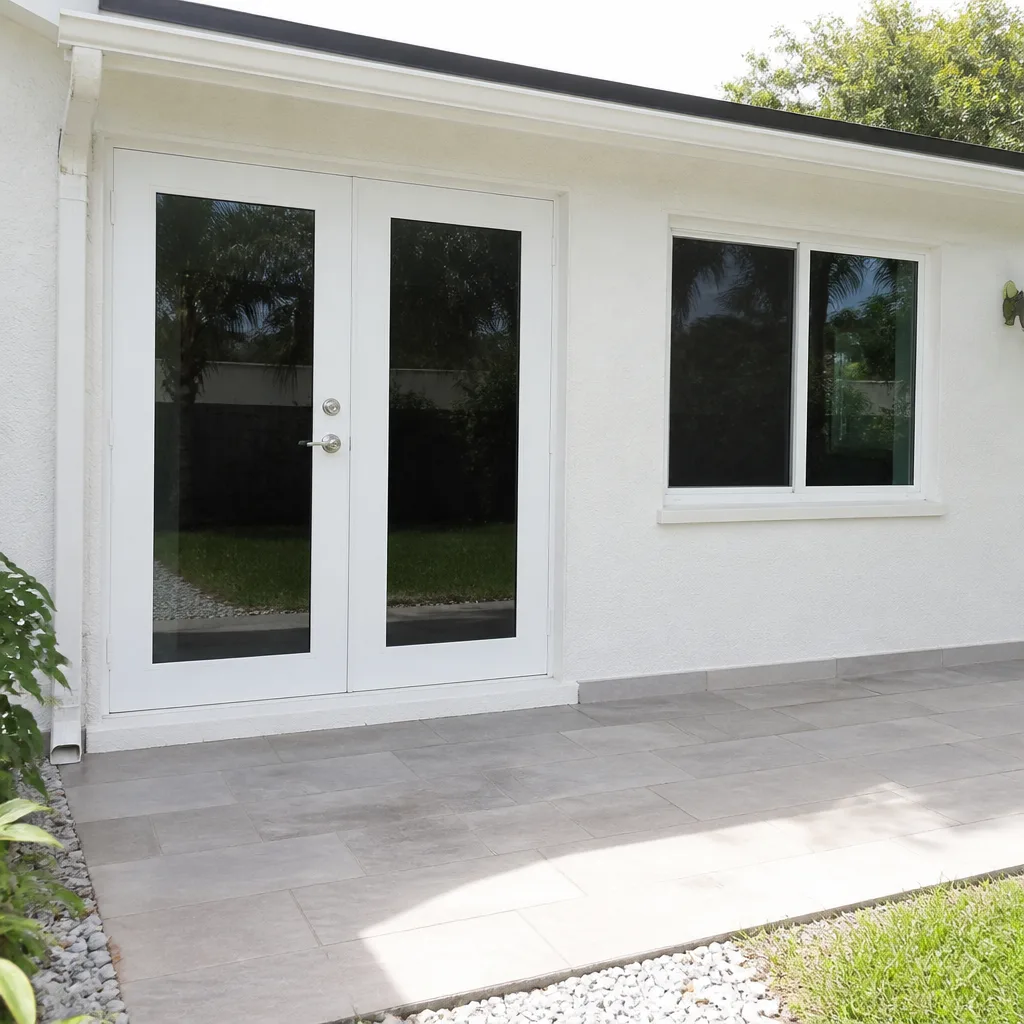 After
After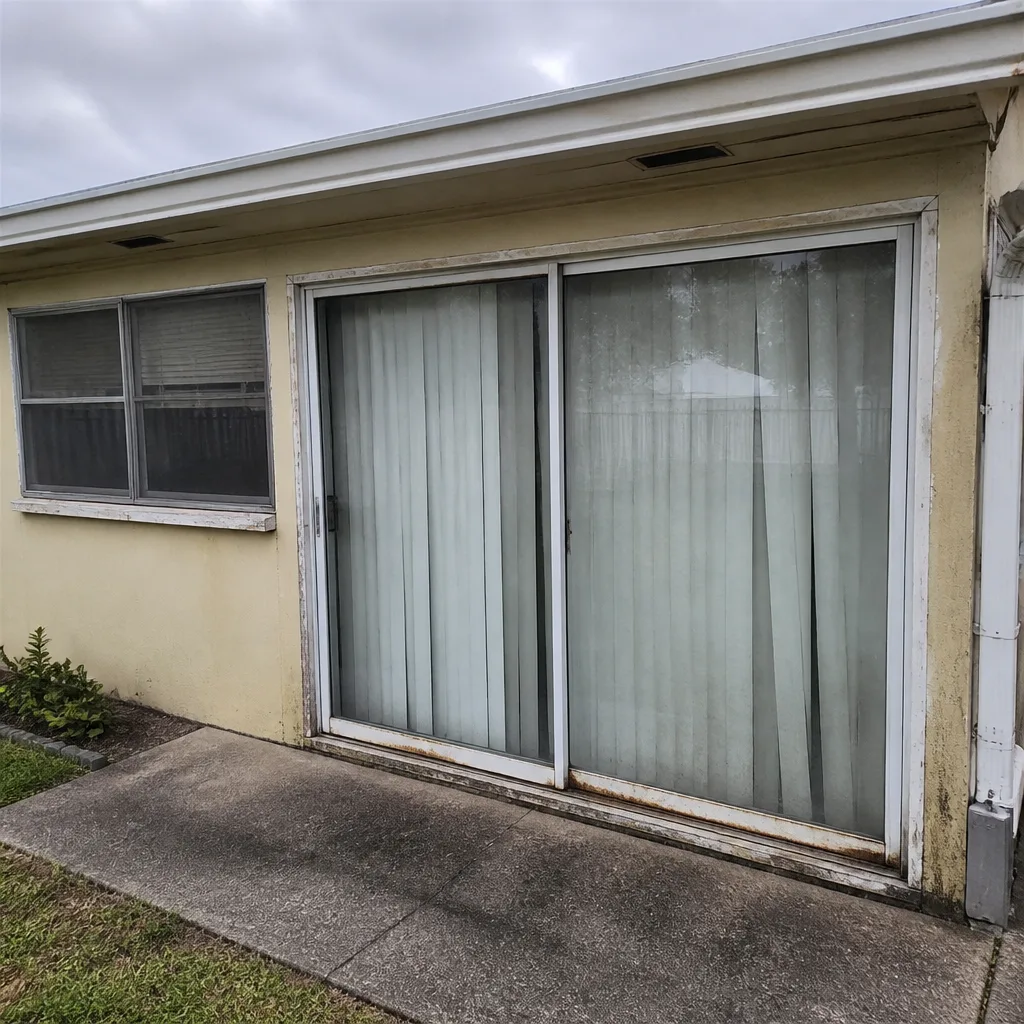 Before
 After
AfterYes, New Windows Save Energy in Greenacres - Here’s What Actually Moves the Needle
New windows save energy, often cutting cooling costs in a Greenacres home by 15 to 25 percent when replacing the original single-pane aluminum or jalousie units still common in neighborhoods built before 1994. The savings come from three things working together: low-E glass coatings that block solar heat, insulated frames that stop thermal transfer through the frame itself, and a tight installation that eliminates the air leaks running around your old rough openings. If you’re reading this because your July FPL bill made you wince, call us at (754) 339-0784 and we’ll walk you through what your specific house actually needs.
We’re not going to oversell this. A window is not insulation in your attic. But an old jalousie window, the louvered glass style still sitting in plenty of 1960s-era Greenacres homes along streets like Jog Road and Lake Worth Road, leaks conditioned air around every slat. Replacing it correctly changes how your house breathes, and your air conditioner notices within the first billing cycle.
What Actually Makes a Window Energy-Efficient - and What Sells but Doesn’t Deliver
Before you spend a dollar, understand what you’re buying. We quote manufacturer lines side by side on paper at home consultations because the differences are real, and you should see them in writing before you sign anything.
The single biggest factor in South Florida is the glass package. Low-E, or low-emissivity, coatings are microscopic metallic layers applied to the glass that reflect infrared heat while letting visible light through. In Palm Beach County’s climate, you want a low solar heat gain coefficient, ideally under 0.25 on east and west-facing windows, because the sun is your biggest thermal enemy, not the outdoor air temperature. A window with a poor SHGC rating will still bake the room even if the glass is double-paned.
Here’s what actually determines whether your new windows save energy:
- Glass package and coatings: Double-pane insulated glass with low-E coating is the baseline for any real savings in Greenacres. Triple-pane adds marginal benefit here, because our winter is mild, and argon gas fill between panes helps but matters less than the coating itself.
- Frame material: Vinyl and thermally broken aluminum frames insulate far better than the original unbroken aluminum frames, which conduct outside heat straight into your house. Given South Florida’s UV intensity, a quality vinyl frame with proper UV stabilizers matters, because cheap vinyl warps within a few years and the seal fails.
- Installation quality: This is where we see the most failed “energy savings” promises. A window sealed poorly around the rough opening leaks air regardless of how good the glass is. Dale Kessler grew up off Jog Road in Greenacres and spent enough humid summers here to understand exactly why the right window seal is not optional. We measure every opening twice and set the frame so the reveal is even on all sides, because air doesn’t care about your warranty paperwork.
- Impact-rated layering: In Greenacres, impact windows with laminated glass tend to include lower SHGC coatings by default, because they’re built for the Florida Product Approval standards our wind-borne debris region requires. You’re not choosing between storm protection and energy savings - the right impact window gives you both.
What Greenacres Homes Are Actually Working With
Greenacres sits in Palm Beach County’s wind-borne debris region, but falls just outside Miami-Dade and Broward’s High Velocity Hurricane Zone. That means windows here must carry Florida Product Approval ratings for Palm Beach County’s design wind speeds, typically 140 mph or higher, rather than the stricter HVHZ certification. It also means the product options are a little broader, and the pricing is a little friendlier, than what you’d face in Dade County.
What we see most often in Greenacres, though, is a house built between 1965 and 1990 that still has its original aluminum-frame jalousie or single-pane windows. These units predate Florida’s post-Hurricane Andrew code overhaul by years, sometimes decades. They were never designed to hold conditioned air, and after thirty or forty summers of Palm Beach County humidity, the seals on the single-pane units have failed, the aluminum frames have oxidized, and the jalousie clips have loosened to the point where you can feel air moving past them on a still day.
We replace these with full-opening impact-rated units because that’s what the insurance market now demands in Greenacres. Florida insurers have been declining renewals on homes with jalousie windows at increasing rates. The homeowner who calls us for “just a reseal” usually ends up needing a full replacement, not because we upsell, but because the old unit cannot hold a seal anymore.
Here’s a number worth knowing. In our experience across Greenacres single-family CBS homes, replacing all the windows in a typical three-bedroom house with mid-grade impact-rated vinyl units runs between $14,000 and $22,000 installed, depending on opening count and whether you’re doing single-hung, casement, or fixed picture windows. High-end lines like PGT or CGI push that closer to $25,000 to $35,000. The energy portion of that equation, the low-E and insulated frame upgrade, is roughly 15 to 20 percent of the total window cost. That’s the part that pays you back monthly on the electric bill, while the impact rating is what keeps your insurer from dropping you.
If you want a closer look at what Window Installation involves from quote to final inspection, we cover the process step by step on that page.
How Much Energy Do New Windows Actually Save in Greenacres?
The honest answer is that it depends on what you’re replacing and how much glass you have facing east and west. A Greenacres ranch built in 1972 with original jalousies will see a much bigger percentage drop in cooling load than a 2005 home with builder-grade double-pane windows that are simply aging out.
Here’s a realistic breakdown of what we tell homeowners at the kitchen table:
- Original jalousie or single-pane aluminum windows: Replacing with impact-rated low-E double-pane units typically reduces solar heat gain through those openings by 50 to 65 percent and cuts overall cooling costs by 15 to 25 percent in the hottest months.
- 1990s aluminum-frame single-pane with failed seals: You’re looking at a 10 to 18 percent drop in cooling costs once the new units are in and sealed properly.
- Existing double-pane windows that are fogged or warped: Savings are smaller, usually under 10 percent, because you already have some insulating value. The bigger win here is stopping the ongoing degradation and the eventual water damage to your walls.
- The non-glass factor: We’ve seen houses where the windows were fine but the rough openings were never sealed correctly. In those homes, the savings after a proper replacement are disproportionately high because we’re finally closing air leaks that have existed since the original install.
Your FPL bill is the easiest way to check. Pull it up and look at your summer usage pattern. If you see peaks from May through October that are double your January usage, your windows are transferring heat, and the savings potential is in the 15 to 25 percent range. That’s the simple math, and it’s usually right.
What Greenacres Weather Does to Window Seals
Greenacres sits roughly ten to twelve miles inland from the Atlantic, which means we get South Florida’s full hurricane wind exposure with somewhat less direct salt spray than beachfront communities in Lake Worth or Boynton Beach. What we get in larger doses is UV intensity, year-round humidity, and afternoon thunderstorms that roll in and dump rain on windows that have been expanding and contracting in the heat all day.
That daily thermal cycling is what kills seals. A window seal that was fine in the morning can fail by evening when a thunderstorm drops the temperature ten degrees in half an hour. The glass and frame contract at different rates, the seal material fatigues, and eventually moisture finds its way between the panes. You see it as fog that never wipes away, and by then the insulating gas is gone and the window’s energy performance is down to roughly what a single pane offers.
We carry lines from CGI, CWS, and ES Windows because those manufacturers build for exactly this climate, with seal systems designed around South Florida’s thermal cycling rather than adapted from northern factories. If the pane is not true, the job is not done, and that goes for the seal as much as the frame.
What to Check Before You Replace - and When to Stop and Call
If you’re not sure whether your windows are the problem, start with a simple walkthrough on a hot afternoon. Stand near each window and feel for air movement with the back of your hand. Look at the corners of the frame for daylight coming through. Check for condensation between the panes that won’t wipe off. And on a windy day, listen for whistling around the window edges.
Those are the cheap diagnostics. What you should not do is try to remove a window sash or jalousie clip to “take a look” at the seal. High-tension window balances and aged aluminum frames can shift unpredictably, and a shattered jalousie pane sends glass shards across the room. We’ve seen homeowners end up in urgent care trying to save a service call. If a window is fogged, binding, or leaking air, call a professional and have it assessed. That’s what we’re here for.
One more number worth having. A maintenance visit on existing windows runs $89 with us, which covers cleaning the tracks, lubricating the balances, checking the seals, and tightening any loose hardware. If the seal is already failed, the tune-up won’t fix it, but it’s a low-cost way to confirm whether your current windows are still doing their job or whether replacement is the only real answer.
FAQs
New windows with low-E glass and insulated frames typically reduce cooling costs by 15 to 25 percent in a Greenacres home when they replace original single-pane or jalousie units, because South Florida’s biggest energy load is solar heat gain and old windows do almost nothing to block it. In homes where the existing windows are already double-pane, the savings are smaller unless the current seals have already failed. Call (754) 339-0784 for an honest read on what your specific windows are costing you.
In Greenacres, a whole-house window replacement with mid-grade impact-rated low-E vinyl units on a typical three-bedroom CBS home runs $14,000 to $22,000 installed, with premium lines like PGT or CGI landing between $25,000 and $35,000 depending on the number and size of openings. The energy-efficiency portion of that, the glass coatings and insulated frames, is roughly 15 to 20 percent of the total. We offer a permanent 5 percent discount for seniors and veterans, and quotes are free.
In most Greenacres homes built before 1994, no - the original aluminum frames are not thermally broken, meaning they conduct heat around the glass regardless of how good the new pane is, and they often fail wind-load requirements for impact protection. Glass-only replacement can make sense for a niche set of newer frames, but we’ll tell you straight if the frame is worth saving, and in the older CBS stock around Greenacres it usually isn’t.
Florida insurers have been declining renewals on Greenacres homes with original jalousie or single-pane windows at increasing rates, because these units provide zero hurricane protection and the home no longer meets the wind-borne debris requirements for Palm Beach County. Replacing them with Florida Product Approval-rated impact windows often satisfies the insurer and reduces your wind mitigation premium. We register both manufacturer warranty layers in writing before the truck leaves your driveway, so the paperwork trail is complete from day one.
Most whole-house replacement jobs in Greenacres take one to three days depending on the number of openings and whether we’re trimming surrounding stucco or interior casing to fit the new units. We schedule the removal and installation per opening so your home is never left unsecured overnight at any point.
Get an Honest Answer About Your Windows
If you’d rather have it looked at, TruePane Windows & Doors offers a no-pressure assessment in Greenacres. We’ll measure your openings, tell you what your current windows are actually doing, and quote the options side by side on paper so you can see exactly what you’re buying. Call (754) 339-0784 for a free estimate, and remember: home repair work is the Window Installation in Greenacres we’ve been doing since 2008.
Written by Dale Kessler, Owner, TruePane Windows & Doors at TruePane Windows & Doors, serving Greenacres, FL.
Six Reasons Homeowners Choose TruePane Windows & Doors
Impact systems engineered to design pressures up to +/-100, matched to your wind zone - your openings hold when the storm arrives.
Low-E insulated impact glass from our manufacturer lines commonly cuts monthly cooling bills 20-30%.
Laminated impact glass shuts out up to 40% of outside noise - traffic, neighbors, weather.
Monitoring services run $30-90 a month. Laminated impact glass resists forced entry around the clock, with no subscription.
Florida homeowners average around 25% savings on the windstorm portion of their policy after protecting every opening - some homes qualify for more.
A full impact package upgrades curb appeal, buyer confidence and appraised value in one project.