
Free in-home measure and quote - PGT, CGI and CWS impact lines compared on your actual openings, style by style
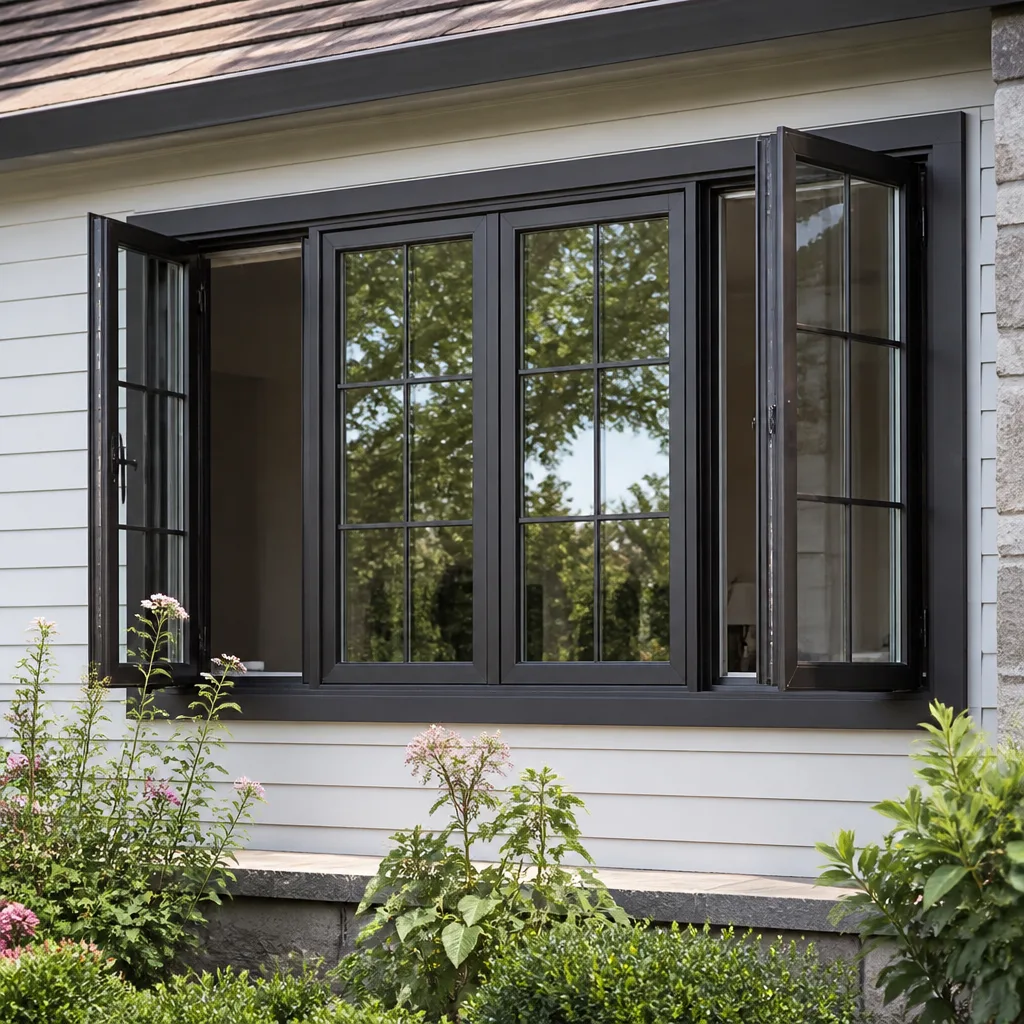
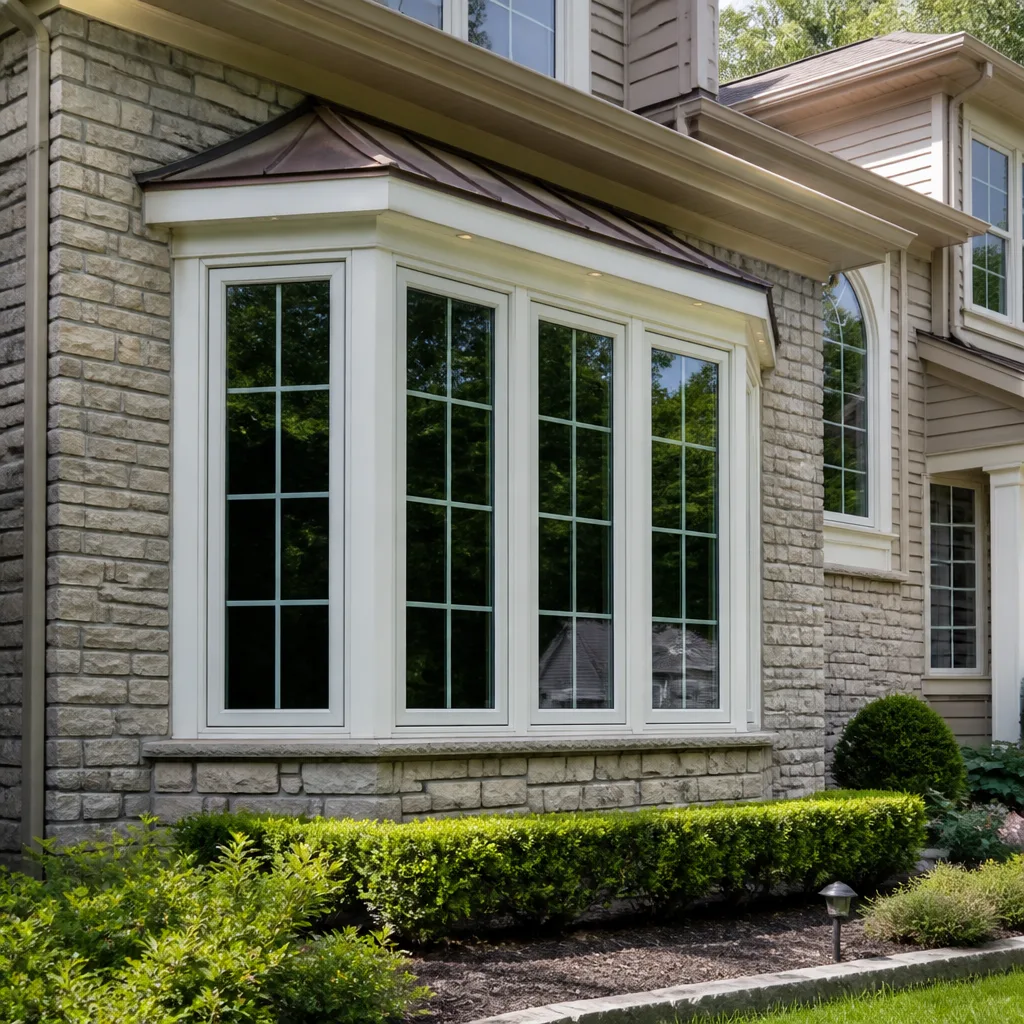
Sliding glass doors
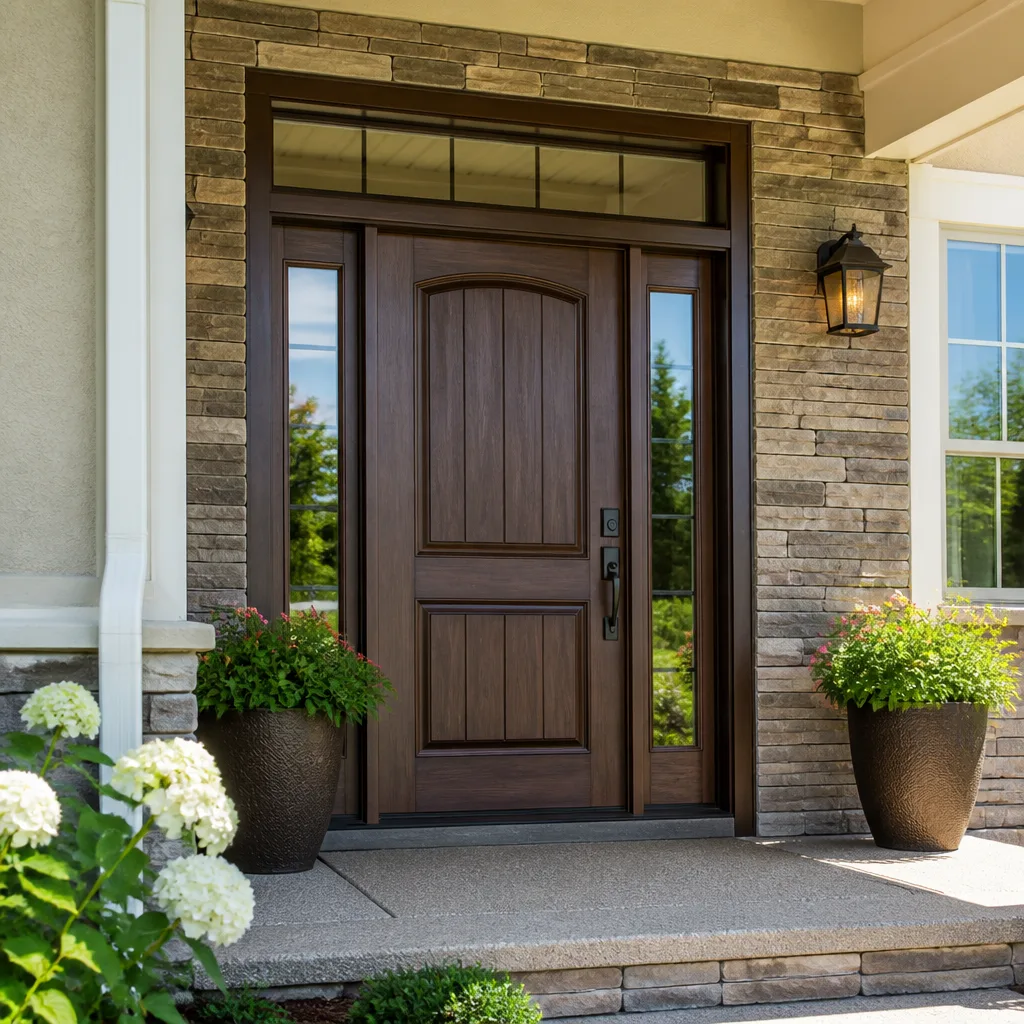
Impact garage doorsPGTCGI
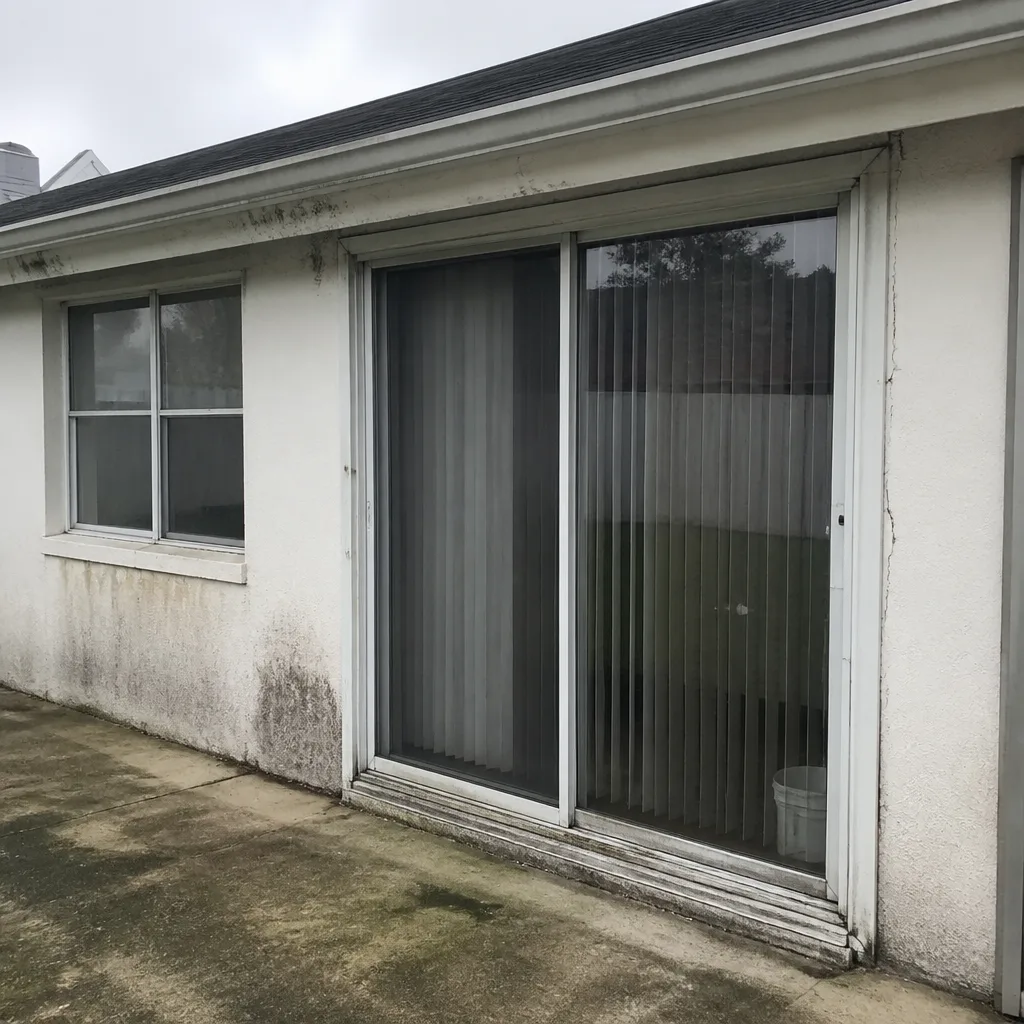 Before
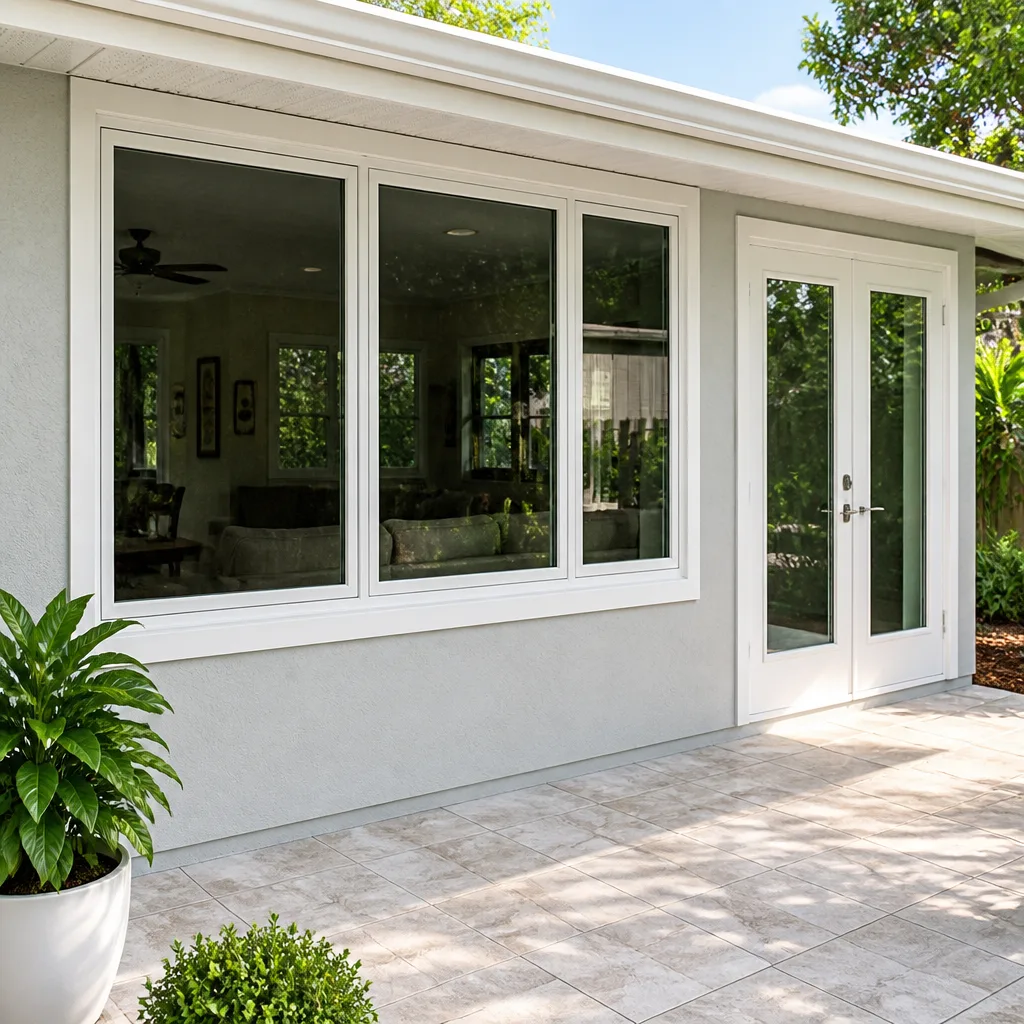 After
After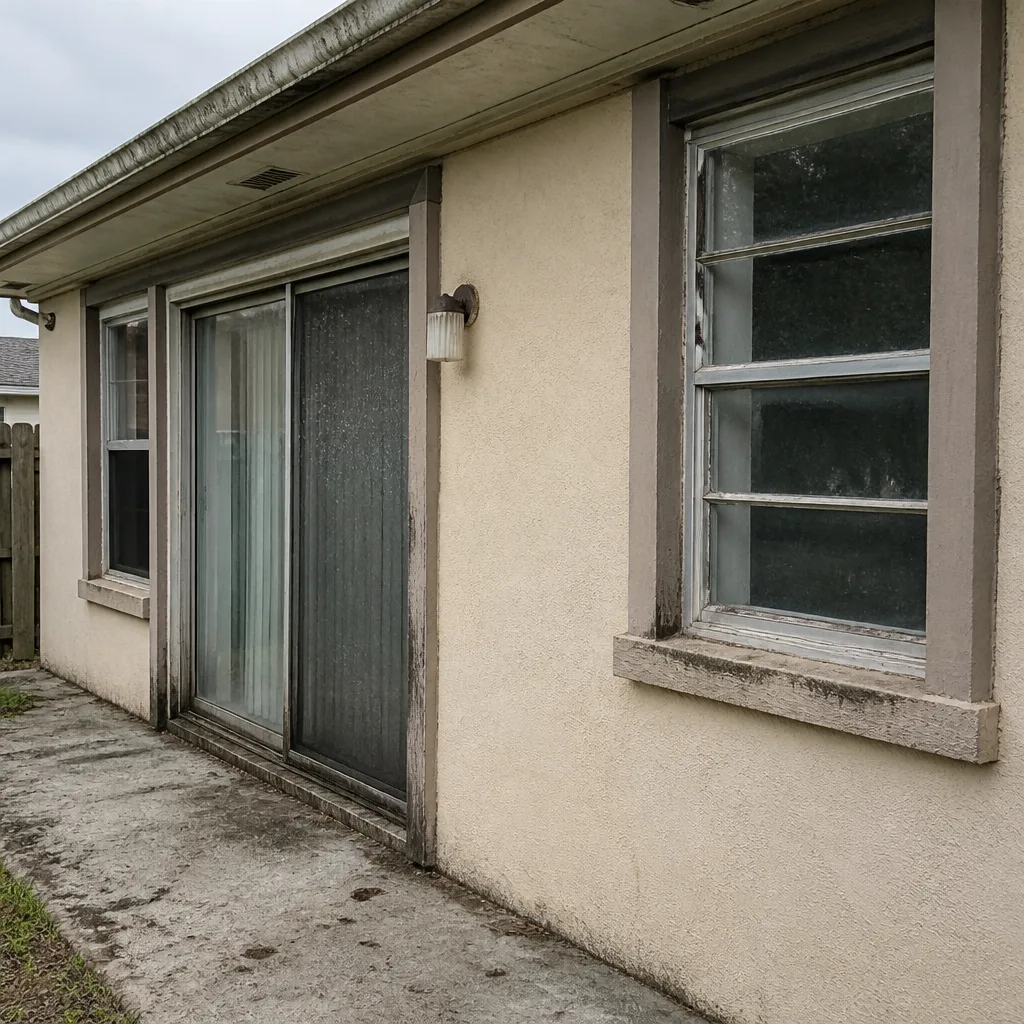 Before
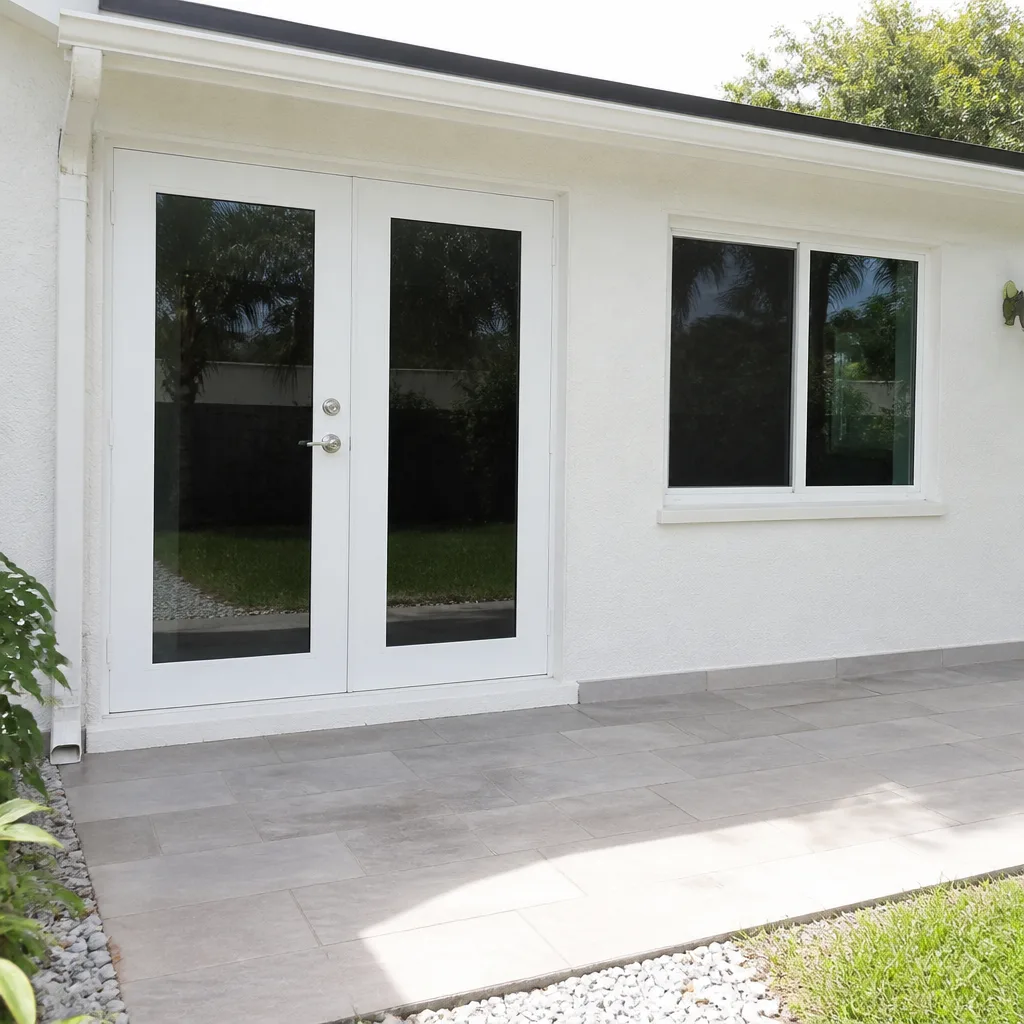 After
After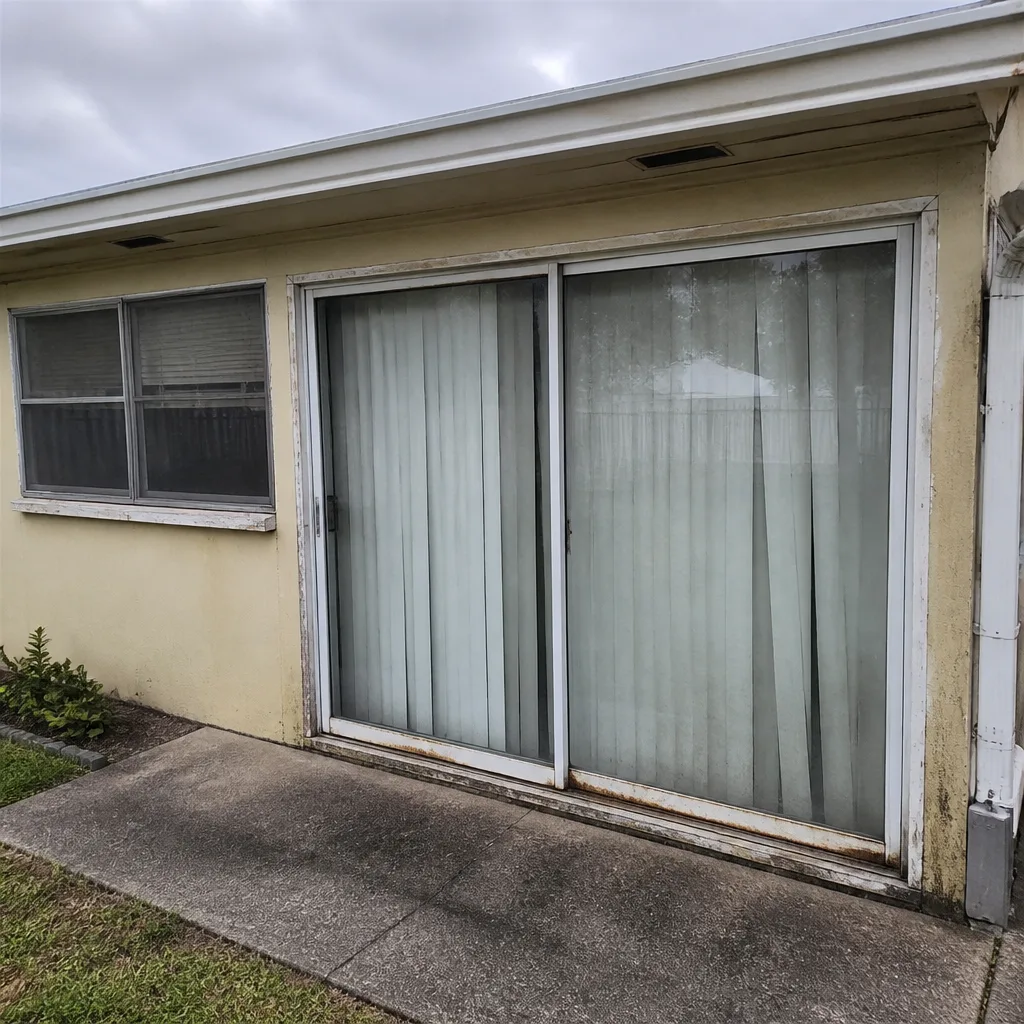 Before
 After
AfterWhat Is Low-E Glass? A Straight Answer for Greenacres Homeowners
Low-E glass is window glass coated with a microscopically thin, transparent metallic layer that reflects heat while letting visible light pass through. The “E” stands for emissivity, which measures how well a surface radiates heat. In Greenacres, where summer humidity and UV intensity punish windows year-round, that coating is the single biggest factor separating a window that keeps your living room bearable in August from one that lets the sun turn your house into a slow oven.
When we replace windows in the older CBS homes along Jog Road and around the original subdivisions off Lake Worth Road, the conversation almost always starts the same way: the homeowner has a west-facing bedroom that won’t cool below 78 degrees in July, and the glass in the frame is hot enough to fry an egg. That’s not a window problem. That’s an emissivity problem. Low-E coatings exist to fix it, and after years of setting glass in Palm Beach County, we can tell you exactly what to look for so you don’t get talked into a coating that does nothing for a Greenacres house. If you’d like a straight answer about what’s on your current windows, call (754) 339-0784 and a person picks up, day or night.
How Low-E Glass Works in a South Florida Climate
Think of emissivity this way: uncoated glass lets heat pass through like an open screen door. A low-E coating closes that door. It reflects infrared heat back toward the source, which means in summer the sun’s heat bounces off the outside of the glass before it ever gets into your house. In winter, it works in reverse, reflecting the heat from your furnace or heat pump back into the room instead of letting it bleed through the pane. Most homeowners in Greenacres only think about the summer half of that equation, and rightly so. But the physics works both directions, and it’s the same coating doing both jobs.
What surprises most people is how small the difference in glass surface is between a good window and a bad one. The coating itself is applied in layers measured in nanometers. You will never see it as a film on the window. You will see its effects on your electric bill and on how steady the temperature stays in a south-facing room. In Greenacres, we’re roughly 10 to 12 miles inland, so we get less direct salt spray than the beachfront condos in Lake Worth, but the UV intensity here is brutal, and the afternoon thunderstorms that roll through in July and August create a cycle of heat, wet, and more heat that accelerates seal failure on any unit not built for it. A quality low-E coating on impact-rated glass handles that cycle much better than clear glass or a cheap aftermarket tint film, which is why it’s our standard recommendation for any replacement in this city.
What to Look For: Comparing Low-E Glass Options Side by Side
Not all low-E glass is the same, and that’s where a lot of Greenacres homeowners get burned by a low-bid window. The window looks fine in the brochure. The coating it carries might not be right for South Florida. Here’s the comparison we walk customers through every week.
There are two main classes of low-E coating. The first, often called hard-coat or pyrolytic, is baked into the glass while it’s still molten. It’s durable and commonly used in single-pane applications, but its solar control is modest. The second, called soft-coat or sputtered, is applied in a vacuum chamber in multiple layers of silver and metal oxide. Soft-coat low-E blocks significantly more solar heat gain, which is exactly what you need when your house faces the west sun off Melaleuca Lane or the open sky over Okeeheelee Park’s western edge.
Here’s what to compare when a contractor hands you a quote:
- Solar Heat Gain Coefficient (SHGC): This measures how much solar radiation passes through the glass. In Greenacres, you want a low SHGC, ideally under 0.30 for west and south-facing windows. Lower means less heat entering your house.
- Visible Light Transmittance (VT): This tells you how much daylight gets through. A low SHGC that also kills the light is a bad trade. Modern soft-coat low-E can achieve SHGC under 0.30 while keeping VT above 0.50, which means the room stays bright without turning into a hotbox.
- U-Factor: This measures heat transfer through the whole window assembly. Lower is better. For South Florida, a U-Factor of 0.30 or below is a solid target, and combined with low SHGC it’s what separates an Energy-Efficient Windows install from a standard replacement.
- Coating position: On a double-pane unit, the low-E coating should be on the inside face of the outer pane. A glazier who hangs the unit backwards defeats the coating entirely. We see this on maybe one in ten houses we follow up on after a competitor’s install.
Dale Kessler grew up off Jog Road, spent enough humid Greenacres summers to know exactly why the right seal and the right coating are not optional. He trained in glazing and building construction at Palm Beach State College, and the first thing he checks when a homeowner says the new windows “don’t feel any different” is whether the low-E surface is facing the right direction. It’s a two-minute check that tells you whether the last installer knew what he was doing or just showed up with a caulk gun and a smile.
What Low-E Glass Means for Greenacres Yards and Greenacres Walls
Greenacres is built differently from a lot of Palm Beach County. The city’s housing stock is overwhelmingly concrete block ranches from the 1960s through the early 1990s, many of them still carrying original aluminum-frame single-pane windows that predate Hurricane Andrew’s code overhaul. If you own one of those houses, you already know the drill: the jalousie windows on the back porch let in as much heat as light, the fixed panes in the living room radiate heat into the room by three in the afternoon, and your air conditioner runs from May to October without a break. A proper low-E replacement changes that house.
There’s a specific product-approval environment in Greenacres, too. The city sits in Palm Beach County’s wind-borne debris region, which means replacement windows must carry Florida Product Approval ratings for design wind speeds typically at or above 140 mph. They do not need to be HVHZ-certified like Miami-Dade and Broward units, but they absolutely need to meet PBC standards, and a flimsy single-pane replacement with a low-E sticker won’t do it. What you end up with is a window that combines a hurricane-rated frame with a soft-coat low-E laminate, and that’s a specific product. We install them from manufacturers like PGT, ES Windows, and Mr-Glass, and we’ll put the product approvals on the table next to the quote so you can see what you’re actually buying before you sign.
| Coating Type | Best Use | Typical Price Impact (per window) | Heat Blocking in Greenacres Conditions |
|---|---|---|---|
| Clear glass (no low-E) | None for exterior windows | Baseline | Minimal |
| Hard-coat (pyrolytic) | Interior or mild climates | +$35 to $60 | Moderate |
| Soft-coat (sputtered) | South Florida exteriors | +$85 to $150 | High |
| Soft-coat + impact-rated laminate | Wind-borne debris zones | +$225 to $400 | High, with storm protection |
The price spread is real, and it’s the reason we carry more than a dozen manufacturer lines, including ECO Window Systems and Therma-Tru. A homeowner should never be cornered into one product or one coating because the installer only has one truck and one vendor. We quote manufacturer lines side by side on paper, register both warranty layers before the truck leaves your driveway, and every job is covered by our Done Right Promise. If the pane is not true, the job is not done, and our workmanship guarantee means we make it right without paperwork arguments.
Why Low-E Glass Matters More When You Plan to Stay
Most of the people we work for in Greenacres have lived in their house for twenty years or more, and they’re not looking to leave. They remember the contractor who left them with a fogged seal and a sliding door that binds every July. They’re done with that. For that homeowner, a low-E window isn’t a feature in a brochure. It’s the difference between a bedroom you can sleep in during August and one you can’t. It’s the difference between running the A/C at 74 and feeling fine, versus setting it at 70 and still sweating. Over the life of a window, which in our climate is 15 to 25 years for a good impact unit, that’s thousands of dollars in electricity and a house that feels like it was built for this weather instead of against it.
There’s also the insurance side, which we don’t gloss over. Florida’s homeowners insurance market has been squeezing older houses hard, and a pre-1994 CBS home with original single-pane or jalousie windows is getting harder to insure at any price. A documented impact-rated replacement with a good low-E coating, installed to current PBC wind standards, gives your insurance company less to argue about. We don’t tell homeowners that new windows will cut their premium in half; nobody honest can promise that. We do tell them that the right window spec puts them in a better position at renewal, and we’ll give them the documentation in writing to show their agent.
And here’s the thing Dale says to every homeowner who calls us from a house off Jog Road that’s been in the family for forty years: if it is not right in the opening, it will not be right in ten years. Low-E glass is only as good as the frame it sits in, the seal holding it, and the crew that measured the rough opening before ordering. We measure every opening twice. Our technicians are background-checked and uniformed, and they work in your home the way they would work in their own mother’s. A live person answers our phone 24 hours a day, 7 days a week, and when we say we’ll be there, we’re there.
FAQs
Yes, for exterior windows the cost difference typically pays back through lower cooling bills within 5 to 8 years, and a soft-coat low-E combined with an impact-rated frame also improves your insurance renewal position. Call (754) 339-0784 for a side-by-side quote that shows the exact cost difference for your window sizes, not a vague percentage.
Low-E glass cannot be applied as an aftermarket film to existing windows; it must be manufactured into the glass itself, which means a replacement unit or a new window. Aftermarket tints and films are not low-E coatings and they do not perform like one.
Modern soft-coat low-E glass allows 50% or more of visible light through while blocking the majority of solar heat, so the difference in brightness is often barely noticeable, especially compared to older tinted windows or jalousie glass. You’ll notice the heat difference before you notice any light difference.
Hold a lighter or a small flame near the glass at night and look at the reflection; if one of the four flame reflections appears a different color or fainter than the others, the glass likely has a low-E coating. If the reflection test is unclear, one of our technicians can check it in about five minutes during a service visit.
If you’d rather have it looked at than guess, TruePane Windows & Doors offers a no-pressure assessment in Greenacres. Call (754) 339-0784 and a person answers. We’ll check what’s in your frames, quote you straight, and register both warranty layers in writing if you choose to move forward. Estimates are free, and we’ll be there when we say.
Want to understand the full picture of how window glass affects your cooling bills and comfort? Read our guide to Energy-Efficient Windows in Greenacres, or start from home to see everything we do.
Written by Dale Kessler, Owner, TruePane Windows & Doors at TruePane Windows & Doors, serving Greenacres, FL.
Six Reasons Homeowners Choose TruePane Windows & Doors
Impact systems engineered to design pressures up to +/-100, matched to your wind zone - your openings hold when the storm arrives.
Low-E insulated impact glass from our manufacturer lines commonly cuts monthly cooling bills 20-30%.
Laminated impact glass shuts out up to 40% of outside noise - traffic, neighbors, weather.
Monitoring services run $30-90 a month. Laminated impact glass resists forced entry around the clock, with no subscription.
Florida homeowners average around 25% savings on the windstorm portion of their policy after protecting every opening - some homes qualify for more.
A full impact package upgrades curb appeal, buyer confidence and appraised value in one project.